Trekking Season in Nepal

Trekking Season in Nepal

The Best Trekking Seasons in Nepal:

Nepal is a small country in South Asia, but rich in cultural and Natural diversity. It is the home to the majestic Himalayas, sitting at the most of the world’s highest mountains on the northern border of the country. The soaring Himalayas offer some of the world’s most iconic trekking and expedition routes. Some of the very famous trekking routes are Everest Base Camp, Three Pass Trek, Gokyo Valley Trek, Annapurna Base Camp Trek, Annapurna Circuit Trek, Nar Phu Valley Trek, Upper Mustang, Langtang Valley Trek, Manaslu Circuit Trek, and Many More. Every year, thousands of backpackers, trekkers, researchers, and adventure lovers visit this beautiful country and enjoy the diversity. While trekking is possible year-round, the best seasons are spring (March to May) and autumn (September to November) due to stable weather, clear skies, and comfortable temperatures. Other seasons, like winter and rainy, are not ideal for a high pass trek, but it is still possible at the lower elevation in winter and the rain shadow region, like Upper Dolpo and Upper Mustang, in the rainy season.

Spring Season (March to May)

Temperature:

  • Day: 16°C to 30°C (in lower regions)
  • Night: 5°C to -5°C (in higher altitudes)

Spring is one of the most popular trekking seasons in Nepal. As the snow begins to melt and temperatures rise, trails become accessible and the landscape bursts into color. Rhododendrons, Nepal’s national flower, bloom along the mid-hill trails, offering a vibrant trekking experience. Temperatures are moderate, especially at lower elevations, and visibility is generally excellent, making it ideal for panoramic mountain views. At the high elevation, you can witness the wild flowers and stunning views where wild flowers and snowcapped peaks meet.

Popular treks during spring are:

  • Everest Base Camp Trek
  • Three Pass Trek
  • Annapurna Circuit Trek
  • Annapurna Base Camp Trek
  • Ghorepani-Poon Hill Trek
  • Manaslu Circuit Trek
  • Kanchenjunga Trek
  • Upper Mustang and Dolpo Trek

Spring is also great for high-altitude treks, as the weather is relatively dry and warm compared to winter.

Autumn Season (September to November)

Autumn is widely considered the best season for trekking in Nepal. After the monsoon rains (June to August), the air is crisp, the skies are crystal clear, and the mountains appear at their most photogenic. The weather is stable, with mild days and cooler nights, making it ideal for long trekking days and scenic views.

Autumn is also culturally rich, coinciding with major Nepalese festivals like Dashain and Tihar, offering trekkers a chance to experience local traditions and celebrations along the way.

Temperature:

  • Day: 15°C to 24°C (moderate at mid altitudes)
  • Night: 5°C to -5°C (in higher altitudes)

Top treks for autumn include:

  • Everest Base Camp Trek
  • Two Pass Trek
  • Three Pass Trek
  • Gokyo Valley Trek
  • Annapurna Base Camp Trek
  • Annapurna Circuit Trek
  • Nar Phu Valley Trek
  • Langtang Valley Trek
  • Upper Mustang (especially after the rain-washed scenery)

Summer/Monsoon Season (June to August)

Temperature:

  • Day: 20°C to 30°C (in lower regions)
  • Night: 10°C to 15°C
  • Higher altitudes remain cooler: 1°C to 10°C

The monsoon brings heavy rainfall, especially in the central and eastern parts of Nepal. Trekking during this season is challenging due to slippery trails, leeches, landslides, and poor visibility. However, it’s also the time when Nepal’s landscapes are at their greenest.

Some regions like Upper Mustang and Dolpo fall in the rain shadow of the Himalayas and remain relatively dry, making them suitable for trekking even during the monsoon.

Best Trekking and travel routes:

  • Upper Mustang Trek,
  • Upper and Lower Dolpo Trek
  • Nar Phu Valley Trek
  • Annapurna Circuit Trek
  • Chitwan Safari Tour

Winter Season (December to February)

Temperature:

  • Day: 9°C to 15°C (lower elevations)
  • Night: -5°C to -15°C (higher altitudes)

Winter brings cold temperatures, especially in the mountains, but skies are often clear and the air is crisp. Snowfall may block some high passes like Thorong La or Cho La, but lower elevation treks remain accessible and peaceful with fewer trekkers.

For those seeking solitude, winter offers quiet trails and scenic beauty. Proper gear is essential, especially for high-altitude routes.

Best treks in winter:

  • Ghorepani-Poon Hill Trek
  • Helambu Trek
  • Chisapani-Nagarkot Trek
  • Pikey Peak Trek
  • Langtang Valley Trek
  • Tsum Valley Trek
  • Everest Panorama Trek
  • Mardi Himal Trek

Nepal offers incredible trekking opportunities throughout the year, but the best seasons are clearly spring (March–May) and autumn (September–November). These months provide the best combination of weather, visibility, trail conditions, and cultural richness. Choose the right season for the perfect Trekking experience in Nepal.
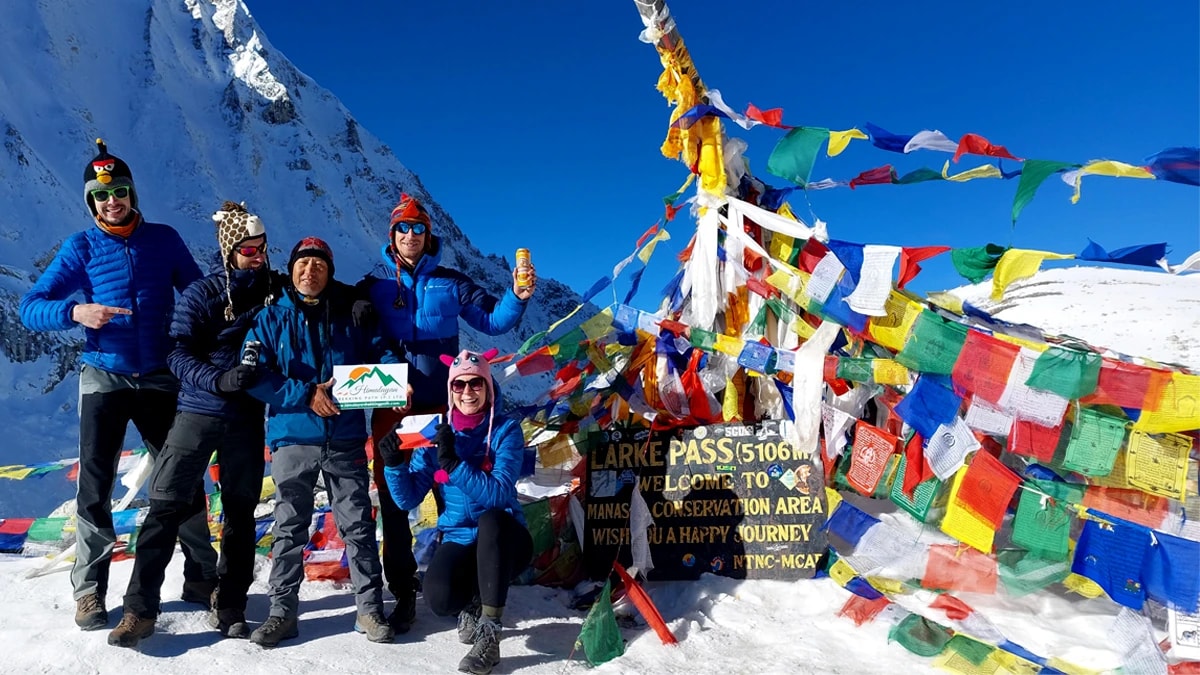
Trekking in Nepal

September, October, November, March, April, and May are the top months for trekking in the Himalayas due to the stable weather, clear skies, and pleasant temperatures. If you are looking to explore Nepal's Himalayas, we recommend joining the Himalayan Trekking Path during these prime months for an unforgettable experience.

Nepal boasts a range of trekking opportunities, catering to both short and long distances. For those seeking a shorter trekking experience, here are some options to consider:

Nepal provides affordable trekking adventures, but the expenses associated with trekking greatly depend on various factors such as group size, included services, duration, and the specific trek chosen. In Nepal, trekking costs range from USD100 to USD5000 per person. For instance, if you opt for the Kathmandu Shivapuri trek, the cost will be USD 100 per person. On the other hand, if you decide to embark on the Everest Base Camp trek and return via a private helicopter, it will cost you USD 5,000 per person.

The Everest Base Camp Trek is renowned as one of the most popular trekking routes globally, leading adventurers to the base camp of the world's highest peak, Mt. Everest. Situated in the Solukhumbu region of Nepal, this trek offers breathtaking vistas of some of the tallest mountains on Earth, such as Mt. Everest, Mt. Makalu, Mt. Cho Oyu, Mt. Lhoste, Ama Dablam, Mt. Thamseku, Mt. Taboche, Mt. Nupse, Mt. Pumari, and Mt. Kusung Kangaroo. Spanning only 12 days, the Everest Base Camp Trek is suitable for novice trekkers, although it necessitates good health and physical fitness.

Himalayan Trekking Path Company is renowned for its exceptional service and dedication to client satisfaction. Since 2014, they have been offering a wide range of tour and trekking activities at competitive prices, all led by seasoned guides and expert teams. Reach out to Himalayan Trekking Path Company to experience their top-tier service firsthand.

About Nepal

Nepal, situated in South Asia, is a historic and independent nation that shares borders with India and China. Covering an area of 147,181 square kilometers, it is home to around 30 million people. The capital city of Nepal is Kathmandu, which also serves as the largest metropolitan area in the country. Notably, Nepal boasts the majestic Mt. Everest, standing tall at 8,848.86 meters, making it the highest peak in the world. Additionally, Nepal holds significance as the birthplace of Lord Buddha and is renowned for its courageous Gorkha Warriors.

Nepal, renowned for its cultural heritage, art, architecture, and remarkable natural and social diversity, is home to Mount Everest, the highest mountain peak globally, and Lumbini, the birthplace of Gautama Buddha. The country's allure extends beyond its majestic mountains, as it also offers thrilling opportunities for mountaineering, adventure tourism, and ecotourism, making it a significant destination for visitors.

Trekking in Kathmandu

Yes, trekking is absolutely possible in and around Kathmandu. The Kathmandu Valley and its surrounding hills offer several short treks that are ideal for those with limited time or looking for an easy getaway close to the city. Within the valley itself, popular short treks include Shivapuri, Phulchowki, Nagarjuna, and the Chisapani–Nagarkot Trek. These treks take you through lush forests, traditional villages, and hilltops with stunning views of the Himalayas and the Kathmandu Valley below.

Just outside the valley, you can find slightly longer but still accessible treks such as the Helambu Trek,Gosaikunda Trek, Ama Yangri Trek, and Panch Pokhari Trek. These treks usually range from 3 to 7 days and offer a deeper experience of Nepal’s diverse culture, natural beauty, and mountain landscapes. Trails pass through remote villages, monasteries, high-altitude lakes, and rhododendron forests, with breathtaking views of Langtang, Ganesh Himal, and other peaks.

These short treks are perfect for beginners, families, or anyone wanting a quick adventure near the capital. They also provide a great introduction to Nepal’s trekking culture without needing to travel far from Kathmandu.

Kathmandu offers numerous hiking routes, but Shivapuri Hiking stands out as the best. Known for its rich biodiversity, peaceful environment, and fewer crowds, it’s an ideal escape into nature. The trail passes through Budhanilkantha, lush forests, serene streams, and leads to Shivapuri Peak (2,732m), the second-highest point in the valley. Along the way back, hikers can explore Bagdwar, the source of the Bagmati River, and the spiritual Nagi Gompa monastery. The hike offers stunning views of the Himalayan ranges, making it a perfect blend of nature, tranquility, and culture—just a short distance from the hustle of Kathmandu city.

Kathmandu, often referred to as the "City of Temples," is the cultural and historical heart of Nepal. Rich in heritage and tradition, it is home to numerous ancient temples, palaces, and landmarks that reflect its medieval charm. The Kathmandu Valley boasts seven UNESCO World Heritage Sites, making it a significant destination for history and culture enthusiasts. These include iconic sites such as Pashupatinath Temple, Bouddhanath Stupa, Swayambhunath (also known as the Monkey Temple), and Budhanilkantha. The historic Durbar Squares of Kathmandu, Bhaktapur, and Patan (Lalitpur) showcase exquisite architecture and centuries-old art. Changunarayan Temple, one of the oldest Hindu temples in the valley, adds to the region’s spiritual significance. With its vibrant blend of Hindu and Buddhist influences, Kathmandu offers a unique glimpse into Nepal’s rich past. Whether you're exploring ancient monuments or wandering through its bustling alleys, the city reveals hidden gems at every turn.

The elevation of Kathmandu is approximately 1,400 meters (or 4,600 feet) above sea level. However, the highest point of the Kathmandu hilltop, Phulchowki, stands at  2762m

Nagarkot Hilltop is located at an elevation of approximately 2,175 meters (or 7,136 feet) above sea level. It is one of the most popular viewpoints near Kathmandu, offering panoramic views of the Himalayas, including Mount Everest on clear days. Nagarkot is the best place to enjoy the serene 8 Himalayan ranges out of 13 ranges.