Tsum Valley Trek- 10 Days Package
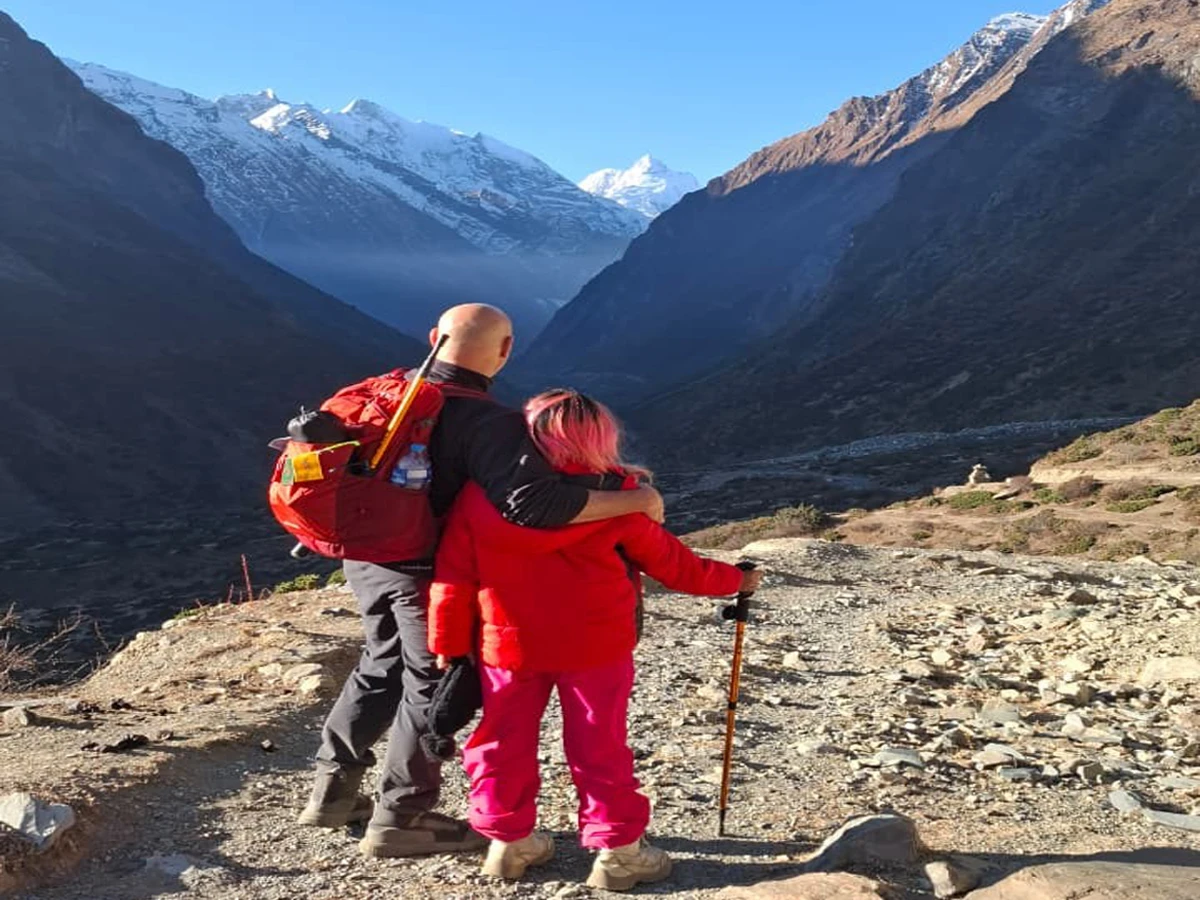
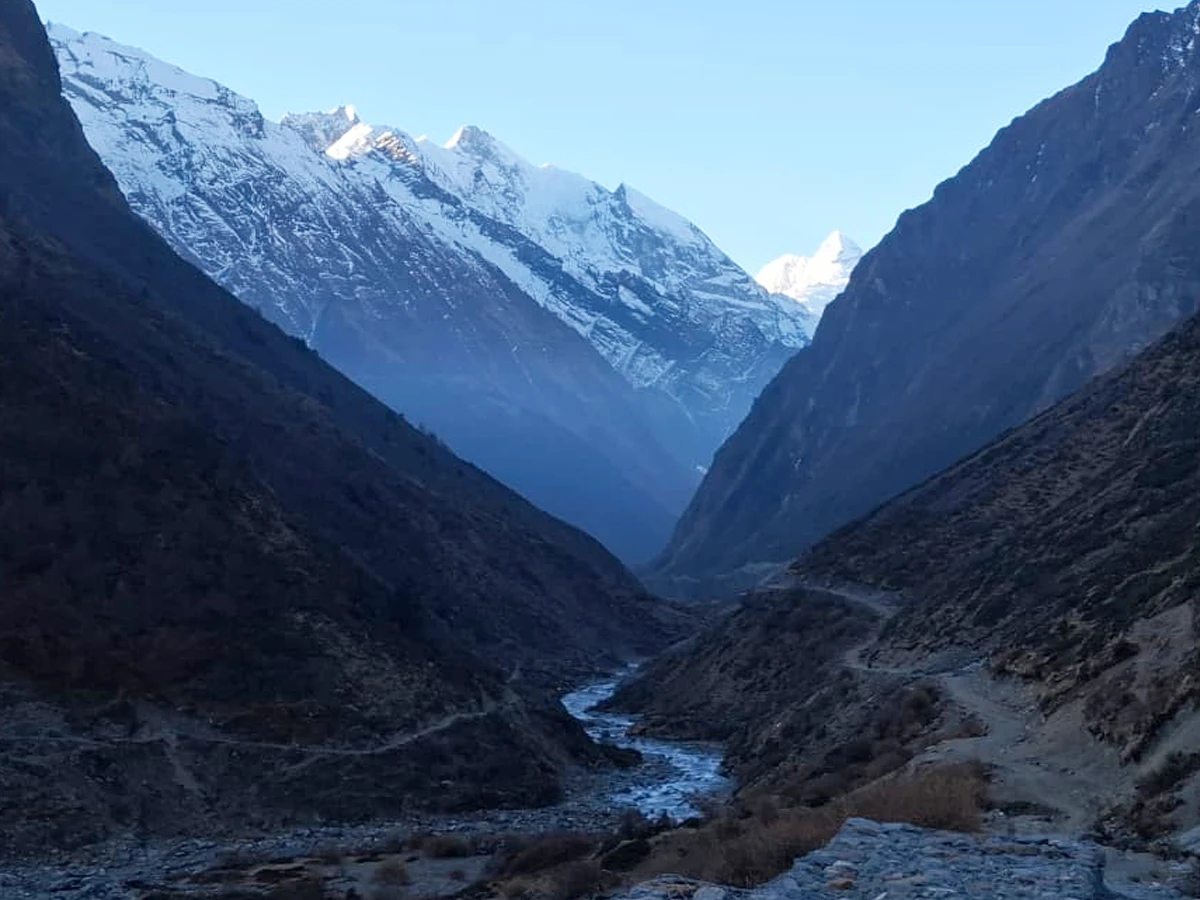
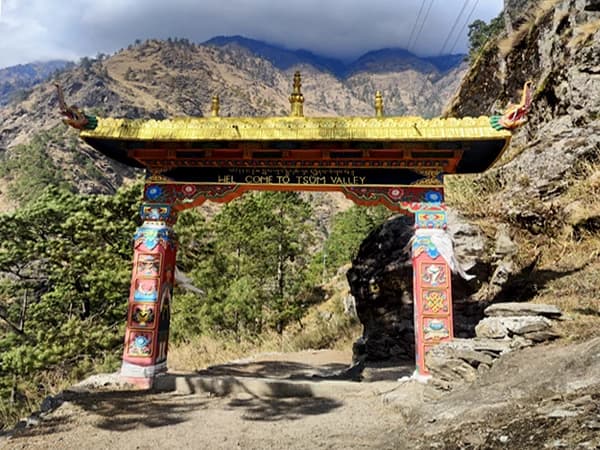
The Short Tsum Valley Trek presents a remarkable combination of cultural and natural diversity in the untouched Tsum Valley of the Manaslu Trek. Located near the Nepal-Tibet border, it is inhabited by Tibetan cultural communities that highlight their rich heritage and vibrant monasteries. The 10-day Tsum Valley Trek is the premier short trek destination within the enchanting landscape of the secluded Tsum Valley, situated beneath the Ganesh Himal Range and Chamar Peak. If you are looking for an ideal, serene experience and a deep dive into Buddhist culture in the Himalayas, this journey is the perfect choice for you.
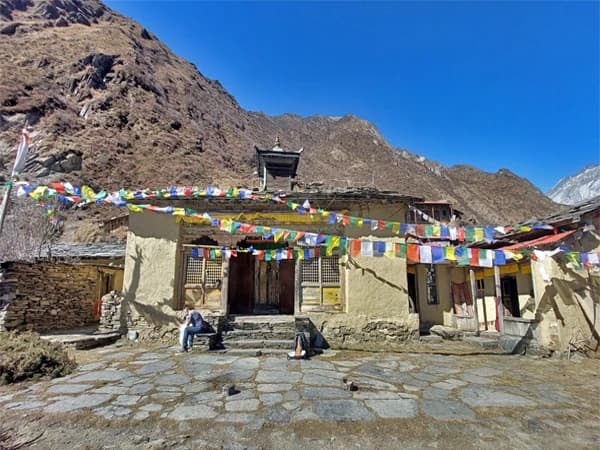
The Short Tsum Valley trek offers a less-explored, classic trekking experience that is culturally rich, preserving ancient lifestyles and traditions. Tsum Valley is home to thousands of monasteries and chortens, making it a significant spiritual site where Milarepa once meditated. This region is abundant in both nature and culture, being the only area in Nepal where vegetarianism is the norm, and hunting and killing are strictly prohibited. Tsum Valley boasts stunning landscapes, mountain views, ancient villages, monasteries, and dramatic terrains, all accessible without the challenges of high passes.
Discover Lokpa, Chumling, Chhukangparo, Lama Gaun, Milarepa Cave, Rachen Gumba, Nile, Mu Gumba, Nunarry monasteries, along with their rich flora and fauna. Book the Tsum Valley Trek with Himalayan Trekking Path, the best local company, and enjoy unparalleled service, care, and a friendly crew, all at a very reasonable cost.
Tsum Valley Trek Highlights
- Discover the Most Sacred Hidden Valley dominated by Tibetan Buddhism
- Experience the pristine landscapes and cultural heritage
- Enchanting Himalayan terrain and varied vegetation
- Lively ancient villages and terraced fields
- Melarepa Caves, Rachen Gomba, Mu Gumba, and countless Chortens
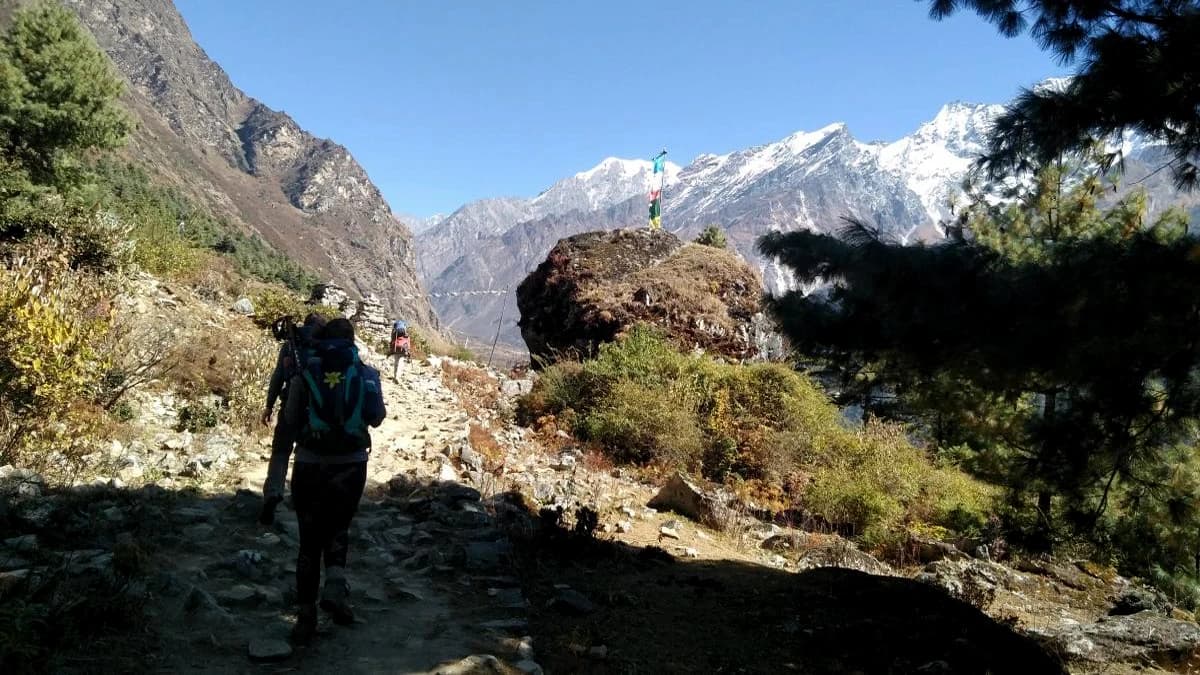
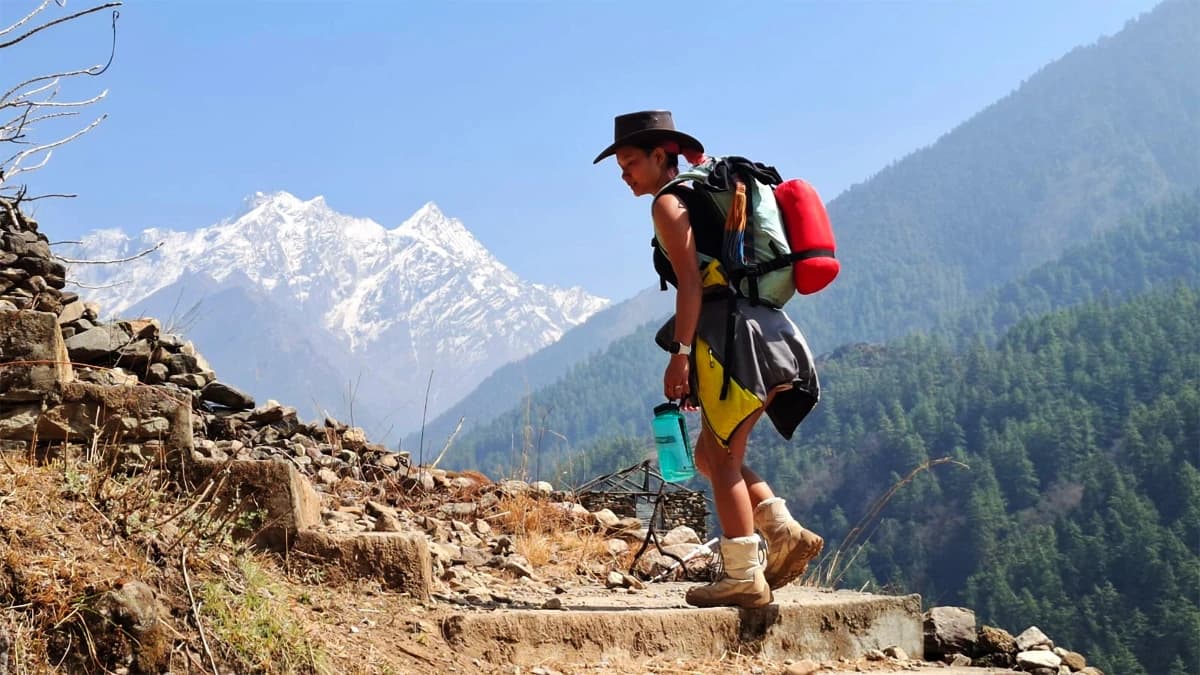
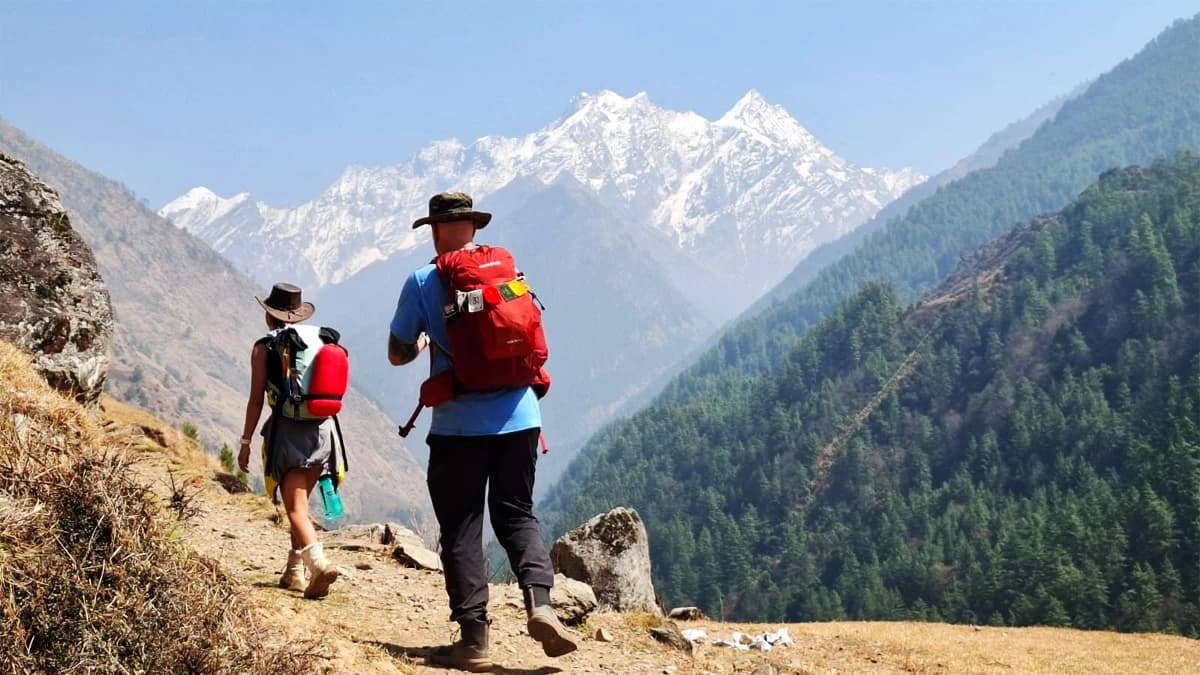
- Breathtaking views of the Ganesh Himal and Manaslu ranges
- Tranquil and peaceful surroundings provide ideal conditions for meditation and practices
- A short and straightforward trek in Nepal, perfect for winter
- Uncover the rich flora and fauna along the Manaslu trek
- Immerse yourself in the beauty and spirituality of this unique region
Best Season for Tsum Valley Trek
There are two primary trekking seasons in Nepal, which provide an ideal time for Himalayan journeys. The optimal seasons are Autumn (September to November) and Spring (March to May). Do not underestimate Nepal as merely a seasonal holiday destination. This enigmatic country offers Dolpo and Mustang during the rainy season, and there are numerous winter trekking options in Nepal. The best times to visit Tsum Valley are Autumn, Spring, and Winter. It is also recognized as an excellent winter trekking destination due to its lower elevation. The Autumn season presents a cultural vibe, gigantic waterfalls, and stunning mountain views. The Spring season brings blue skies, longer days, pleasant temperatures, blooming flora, and magnificent mountain vistas. Additionally, the winter season from December to February is also the best time to experience breathtaking views, fewer trekkers, and stunning valley landscapes. The rainy season is not recommended due to heavy rainfall, and the narrow, steep valleys may be affected by landslides and falling rocks. Choose Tsum Valley for winter if you seek the premier trekking destination in Nepal.
Tsum Valley Trek difficulty
The Tsum Valley Trek is a moderately difficult trek located in the remote Manaslu trekking region of Nepal. It is considered one of the best short and beginner-friendly treks, offering a rewarding Himalayan experience without extreme physical demands. The trail is less explored and follows off-the-beaten-path routes, allowing trekkers to enjoy unspoiled landscapes and rich cultural heritage influenced by Tibetan Buddhism.
The maximum elevation of the trek is around 3,800 meters, which makes the altitude manageable for beginners with a reasonable level of fitness. Daily walking distances range from 10 to 19 kilometers, involving gradual ascents, forest trails, river crossings, and some uneven terrain. While the trek does not require technical climbing skills, good stamina and regular walking ability are essential. Overall, the Tsum Valley Trek is suitable for both beginners and seasoned trekkers who are seeking a peaceful, culturally immersive journey with moderate physical challenges in a scenic Himalayan setting.
Tsum Valley Trek Permits and Cost
The Tsum Valley trek necessitates several permits, which include the Manaslu Conservation Area permit, the TIMS (Trekkers Information Management System) Card, a Local permit, and restricted permits that are essential. Engaging a local company such as Himalayan Trekking Path Pvt. Ltd, and hiring a local guide is required due to the restricted nature of the trekking route. In addition to these official requirements, a passport and visa are also necessary. The costs associated with the Tsum Valley trek permits are as follows:
- TIMS Card (Trekkers Information Management System): Rs 2000 per person; this is crucial for safety reasons.
- Manaslu Conservation Area fees: Rs 3000 per person; this fee supports conservation efforts and the maintenance of the trail.
- Local Rural Municipality fees: Rs 1000 per person; this fee benefits the local community.
- The restricted area permit for Tsum Valley costs USD 40 per person for 7 days, with an additional charge for each day beyond that from September to November.
- The restricted area permit for Tsum Valley costs USD 30 per person for 7 days, with an additional charge for each day beyond that from December to August.
Tsum Valley Trek Cost for 2026-2027
The price for the Tsum Valley trek fluctuates based on several factors, ranging from USD 500 to USD 2000 per individual. The primary elements that significantly influence the trip's cost include duration, season, group size, and other considerations. Himalayan Trekking Path Pvt. Ltd. provides the most competitive pricing for the Tsum Valley Trek. The cost for the short 10-day Tsum Valley Trek package is between $500 and $700 per person. This price encompasses mountain meals, transportation, a professional guide, mountain accommodations, and permits as outlined in the inclusions and exclusions section. Reserve your Tsum Valley Trek with Himalayan Trekking Path for an exceptional trekking experience, outstanding service, and a reasonable price for a fantastic package. Below are the detailed costs for the Tsum Valley trek.
- If you are trekking solo, the cost will be USD 700 per person
- for groups of 2 to 6 participants, the cost is USD 550 per person
- and for groups of 7 to 10 participants, the cost is USD 500 per person.