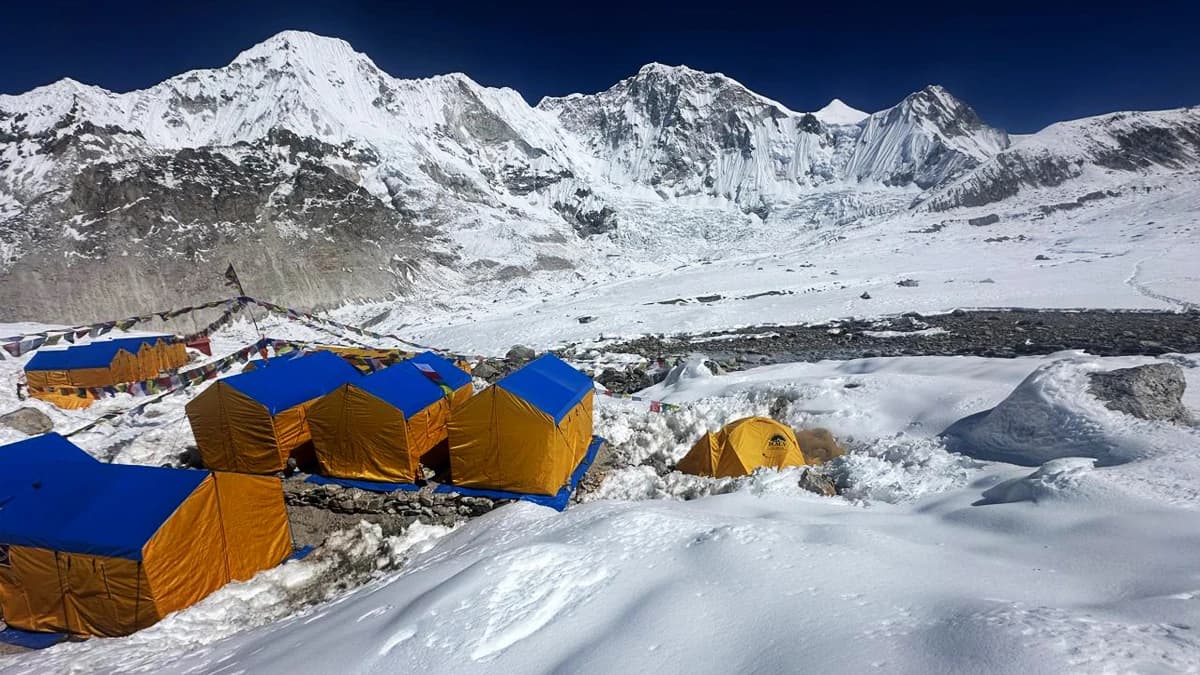
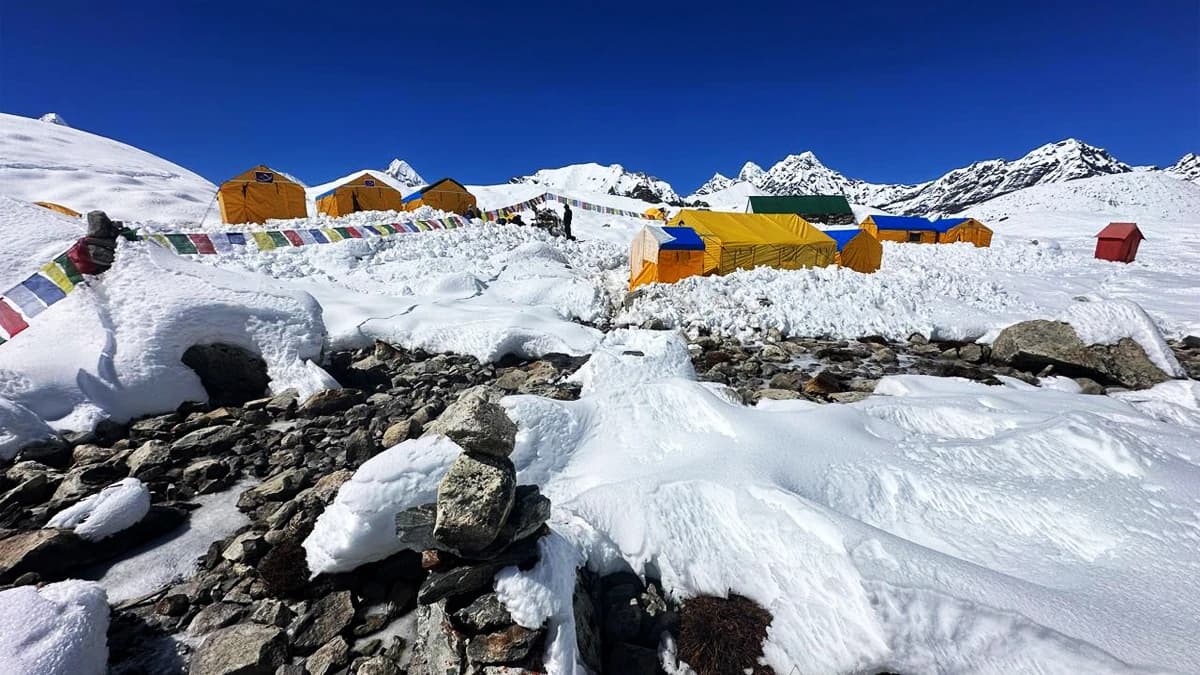
Baruntse Climbing Expedition
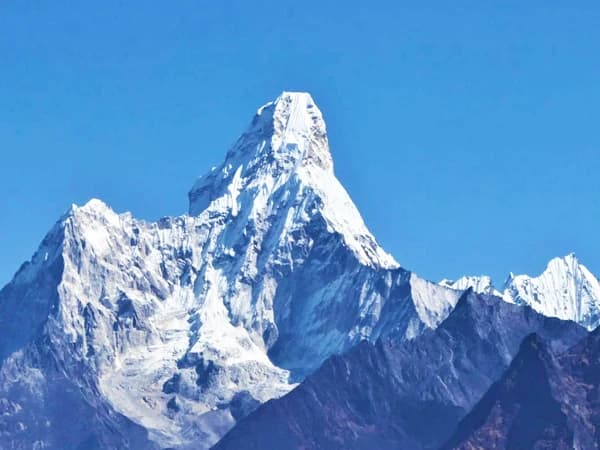
Baruntse Peak (7,129m) is a thrilling Himalayan summit that offers a significant challenge for experienced climbers looking to conquer a 7,000-meter peak or to prepare for ascents of mountains at that elevation. Known for its breathtaking beauty and rewarding climb, Baruntse finds a perfect balance between technical challenges and physical endurance. This expedition is best suited for climbers with prior experience, which ensures a safer and more enjoyable journey. Baruntse features four distinct peaks and is surrounded by stunning glaciers, including Honku, Barun, and Imja. Nestled among some of the tallest mountains in the world, such as Everest, Makalu, and Lhotse, it offers truly unparalleled views. The expedition takes place within the Makalu Barun National Park, a region rich in unique flora, fauna, and cultural heritage. As climbers navigate through traditional Sherpa villages and various ethnic communities, this adventure provides as much cultural immersion as it does mountaineering challenge. The best times to attempt Baruntse are in April and October, when the weather conditions are most favorable, ensuring an optimal climbing experience.
Baruntse Climbing Highlights
- Baruntse (7,129 m) is a technically demanding peak located between the Makalu and Hinku valleys.
- The climb offers a true alpine experience with snow, ice, and mixed climbing sections.
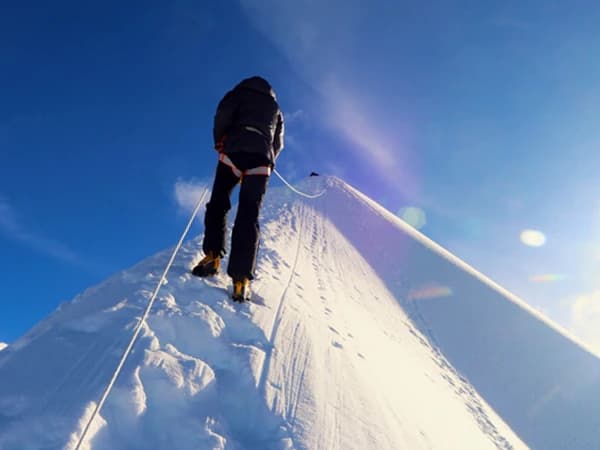
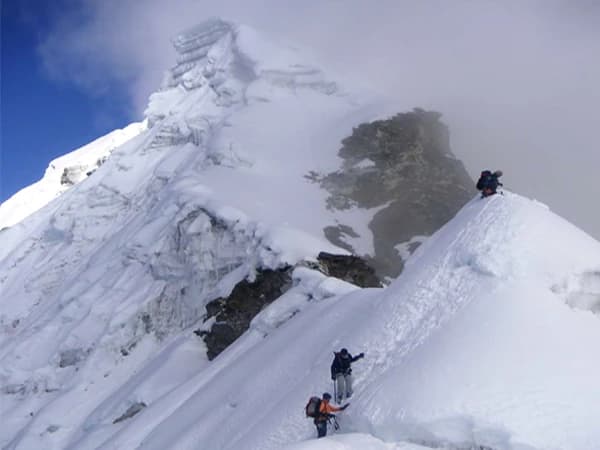
- The standard Southeast Ridge route involves steep snow slopes and fixed rope climbing.
- It provides excellent acclimatization, often approached via Mera Peak or Amphu Laptsa Pass.
- Baruntse is less crowded, offering a remote and pristine Himalayan environment.
- The summit rewards climbers with panoramic views of Everest, Lhotse, Makalu, and Cho Oyu.
- It is an ideal preparation peak for future 8,000-meter expeditions.
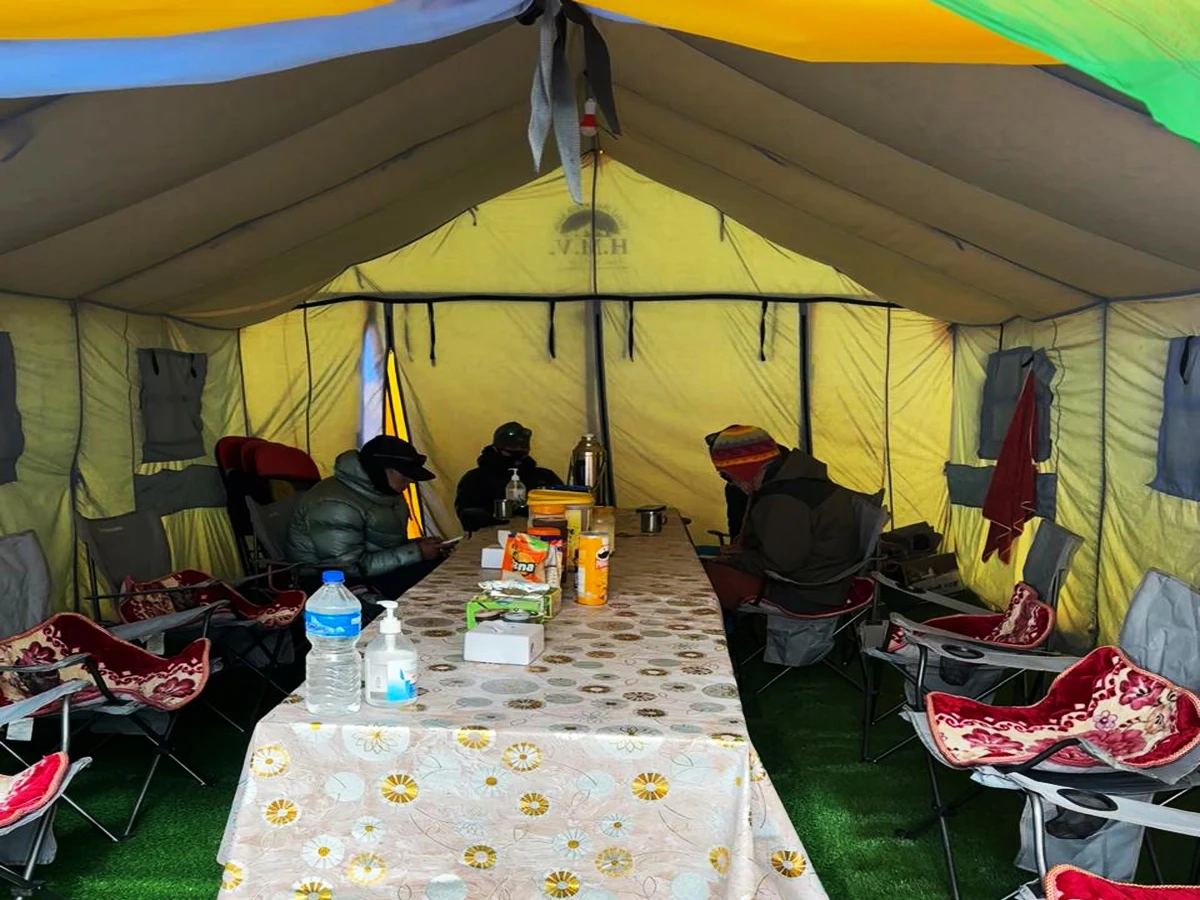
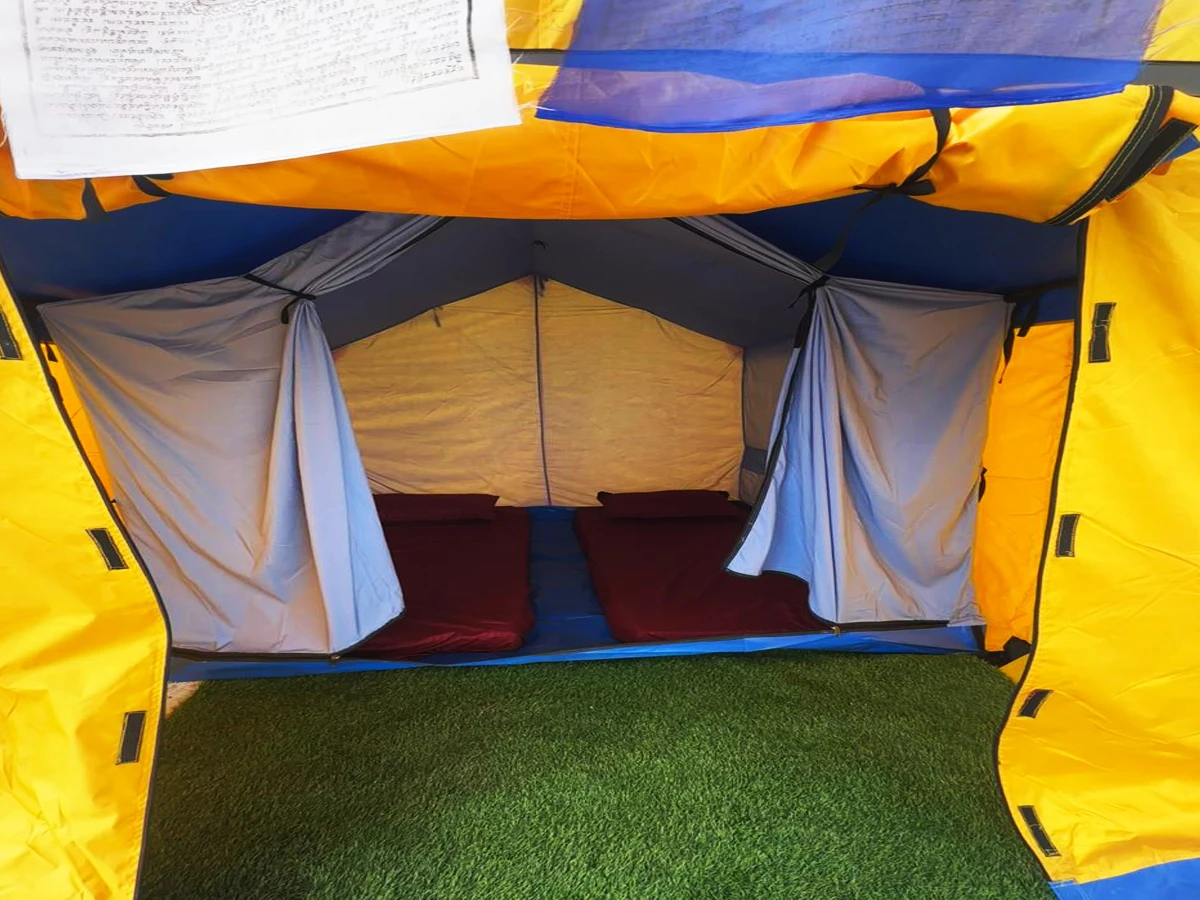
- The expedition requires proper high camps and professional logistical support.
- Baruntse combines high-altitude adventure with cultural trekking through Sherpa regions.
- Despite being a trekking peak, Baruntse is widely considered a true expedition climb.
Baruntse Climbing Itinerary
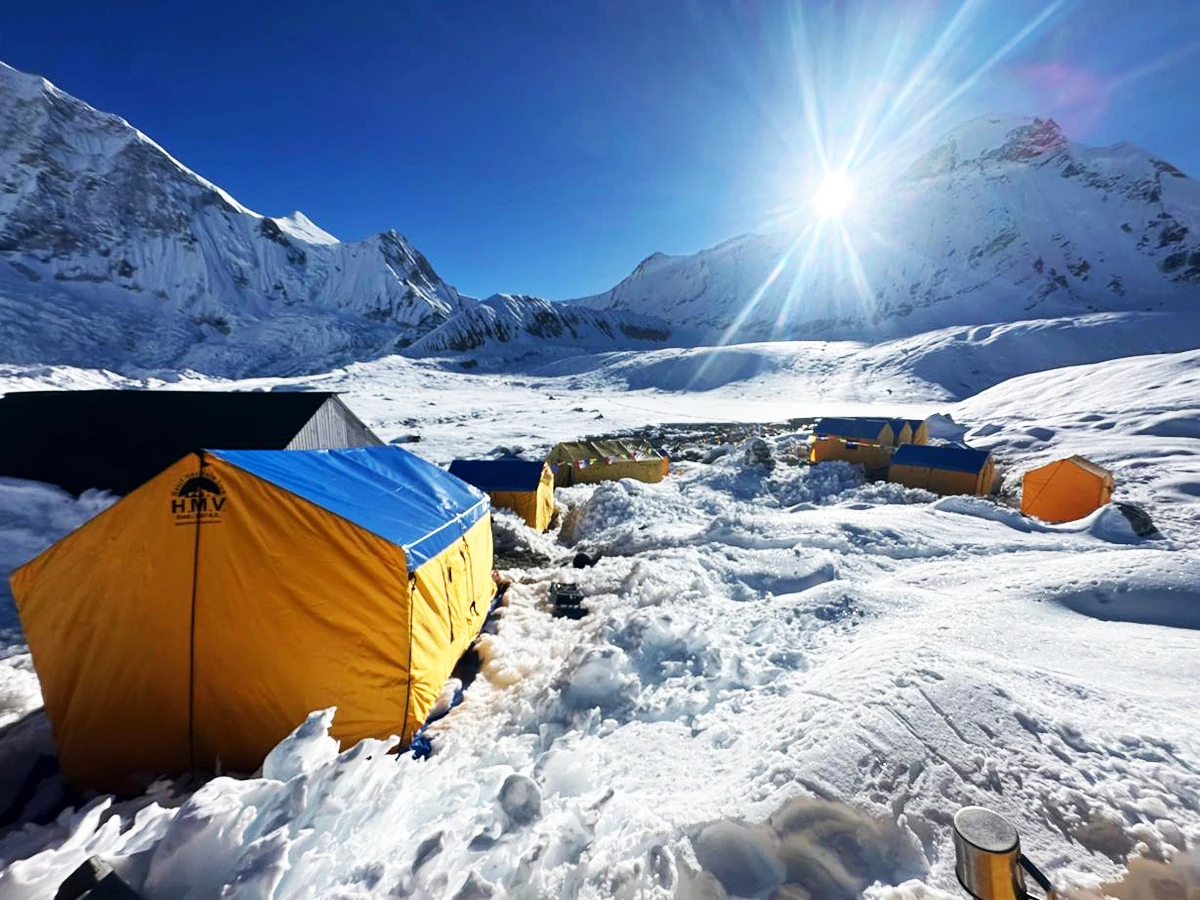
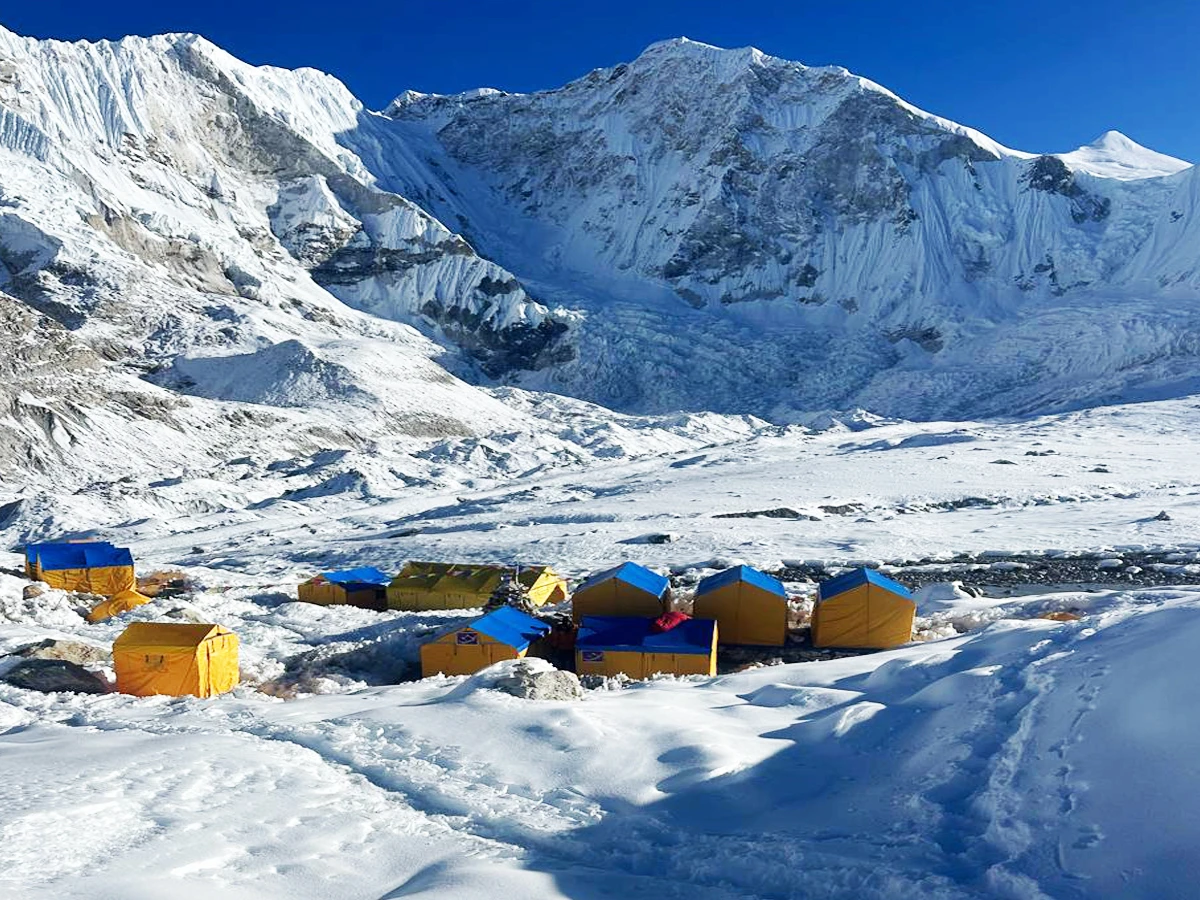
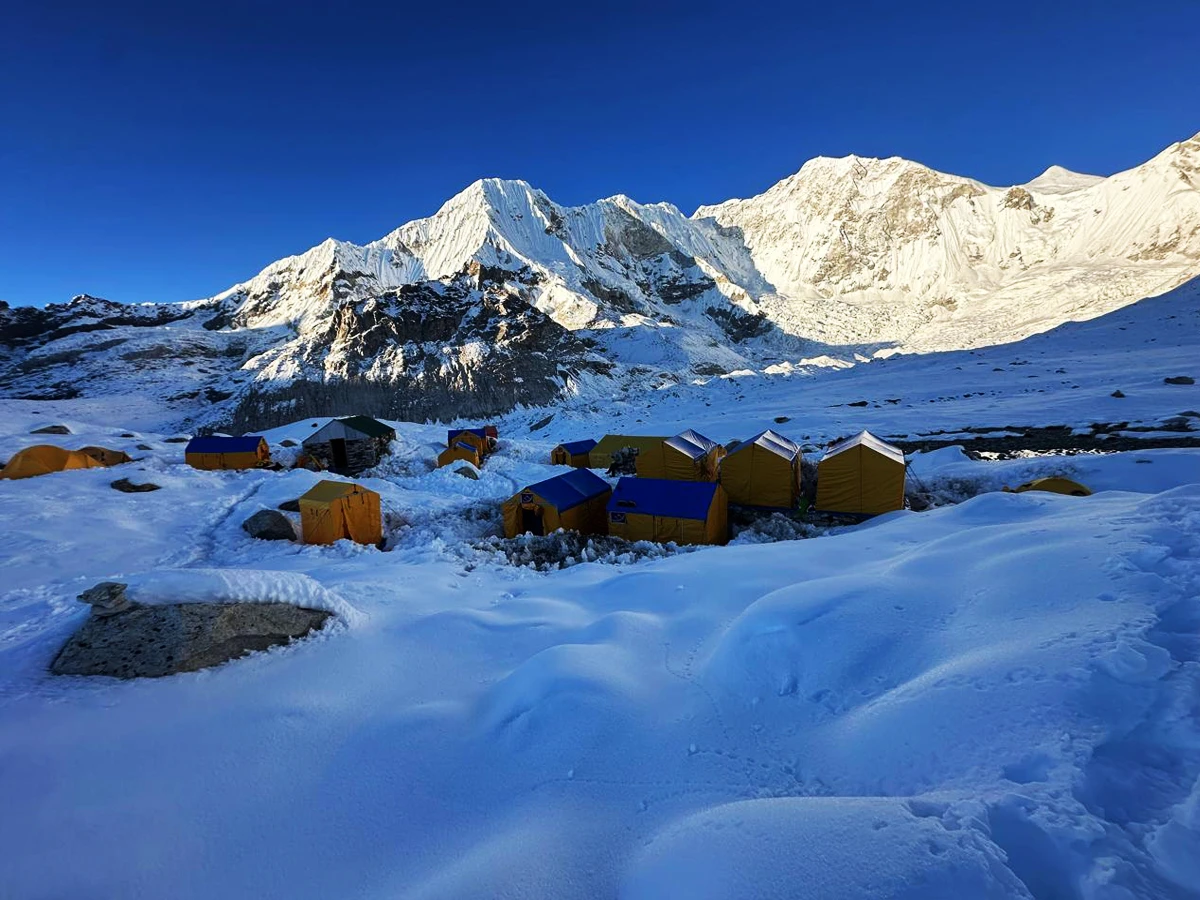
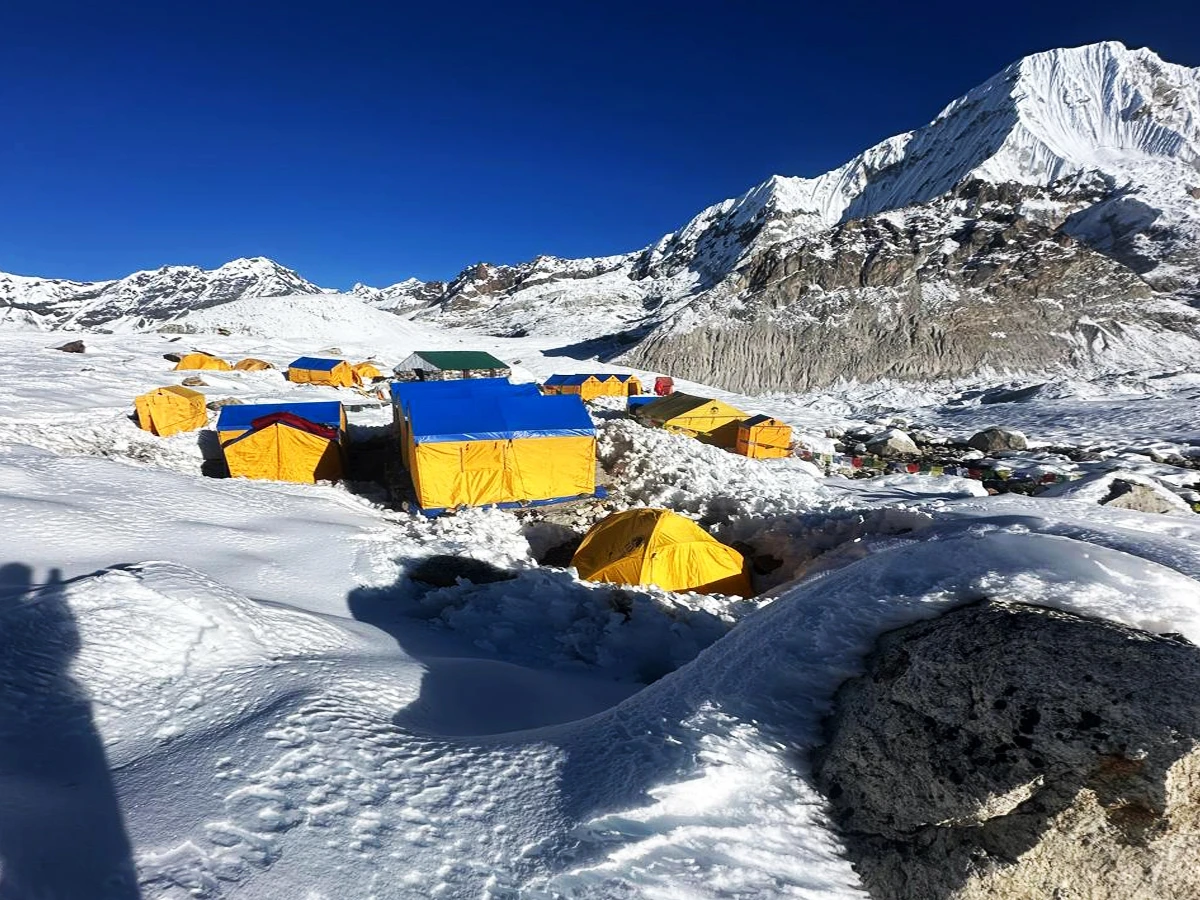
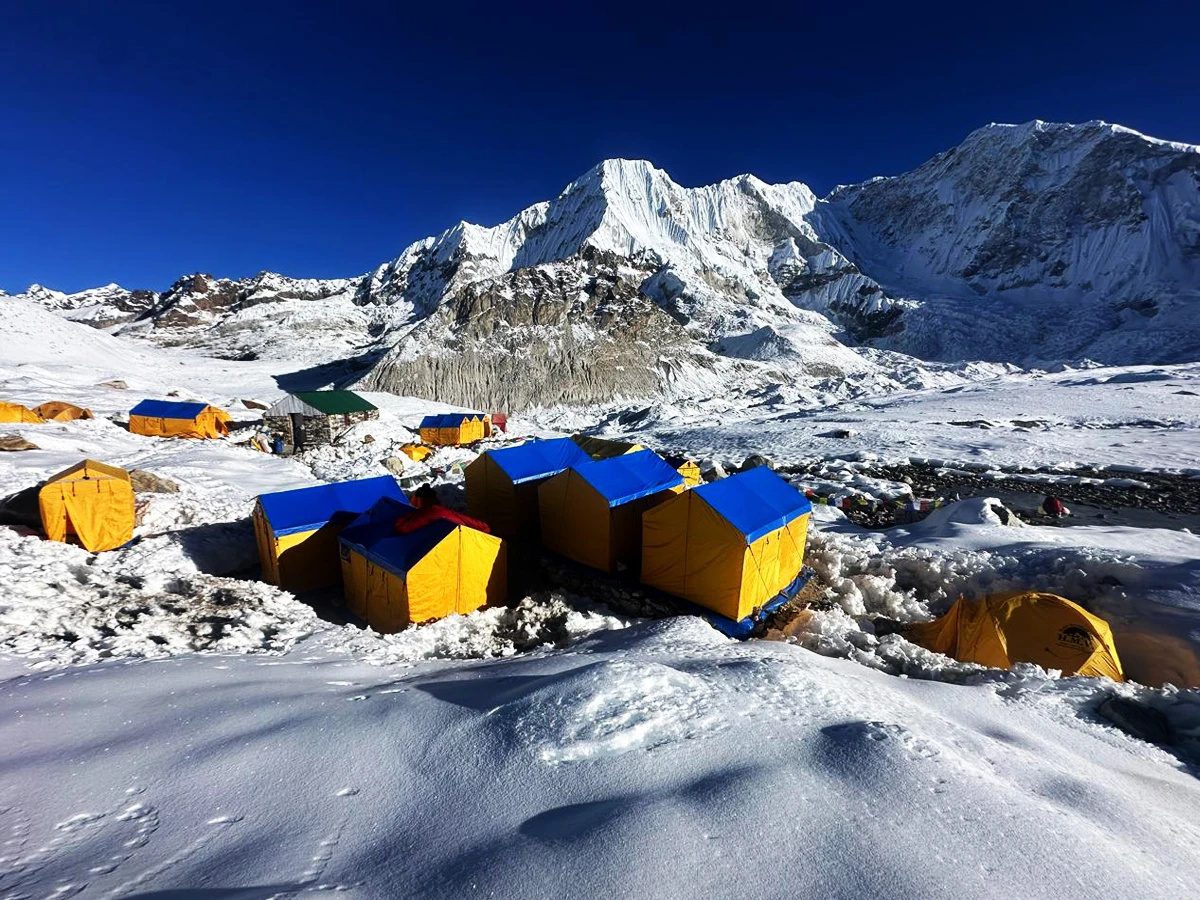
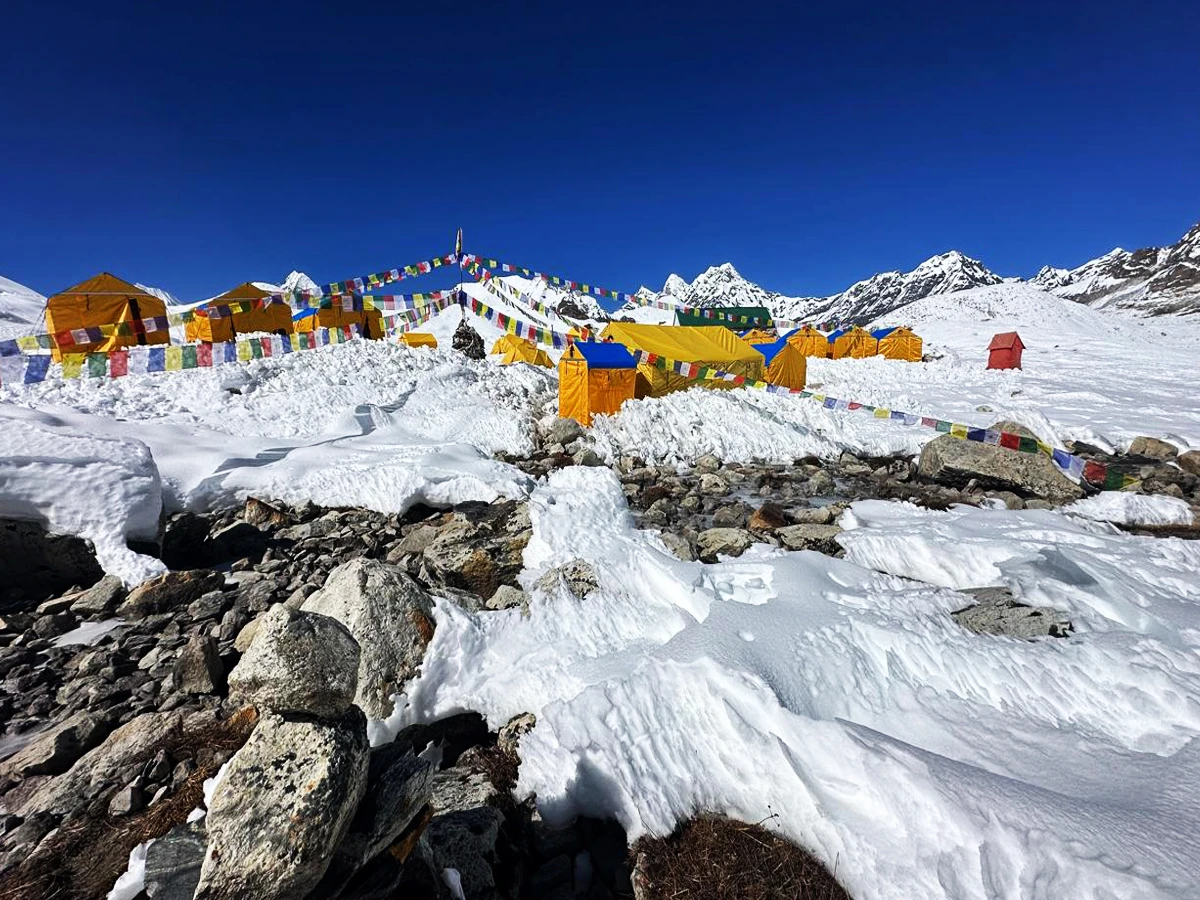
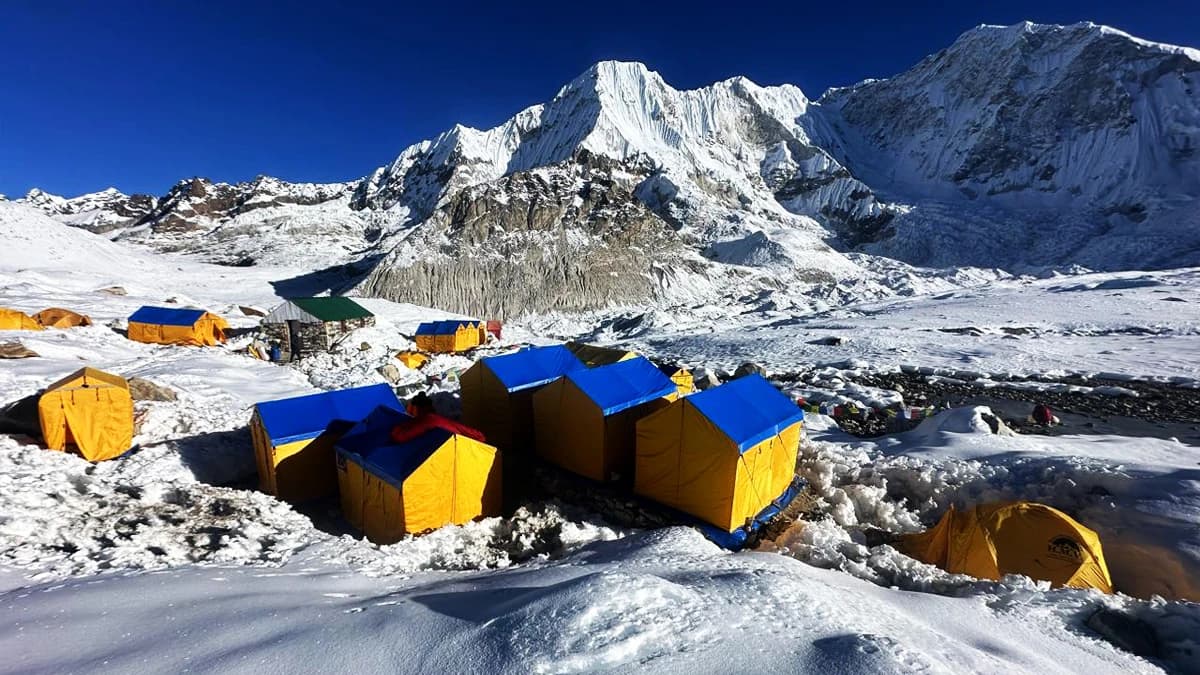
The journey to climb Baruntse peak begins in Kathmandu with a breathtaking and exhilarating flight to Lukla, which serves as the gateway to the Khumbu region. From Lukla, you will embark on the Baruntse expedition trail leading to Khare. This route is also known as the traditional Mera peak climbing trekking path, guiding you through one of the most adventurous trails that showcases the rugged and pristine natural and cultural diversity of the untouched Honku valley, nestled in Makalu Barun National Park. The trek commences in Lukla and proceeds to Khare, passing through Paiya, Pangkoma, Ramilo Danda, Chhatra Khola, Kote, and Thangnak village. Notably, Khare serves as the starting point for the expedition, leading you to the Baruntse Base Camp at 5400m via Khamedingma and Seto Pokhari. After preparations, you will establish Camp I at 6000m and Camp II at 6400m before attempting the summit of Baruntse. The summit day requires 7 to 10 hours of climbing along an exposed ridgeline, presenting both challenges and breathtaking rewards. Following a successful ascent, the team will retrace their steps, celebrating in Lukla before wrapping up the expedition in Kathmandu. The optimal seasons for attempting Baruntse are April and October, when the weather conditions are most favorable for climbing. It is crucial to have both physical endurance and mental resilience.
Baruntse Climbing Season
Baruntse (7,129 m), situated between Makalu and Everest in Nepal's Khumbu region, is ideally climbed during two primary seasons: spring and autumn. The spring season, spanning from April to May, is regarded as the optimal time for climbing Baruntse. During this timeframe, weather conditions tend to be relatively stable, temperatures are moderate at high altitudes, and the snow conditions on the glacier and summit ridge are generally favorable. Additionally, spring provides longer daylight hours and improved chances for safe summit attempts. The autumn season, occurring from September to October, serves as the second-best climbing option. After the monsoon, the skies are typically clear, offering excellent visibility of the surrounding Himalayan peaks. However, temperatures are usually colder compared to spring, and residual snowfall from the previous monsoon can complicate technical sections of the climb. Winter, from December to February, presents extremely cold conditions with strong winds, rendering climbs hazardous, while the monsoon season, from June to August, is characterized by heavy snowfall and poor visibility, making it unsuitable for climbing.
Baruntse Climbing Cost for 2026/2027
The price for climbing Baruntse Peak with Himalayan Trekking Path Pvt. Ltd. usually falls between USD 8,000 and USD 10,000 per person, influenced by several important factors. Given that Baruntse is a technically demanding peak, the total cost is affected by group size, level of service, type of package, climbing team, and equipment support. For those climbing solo, the cost is roughly USD 10,000 per person, as all logistics, guides, and fixed expenses are organized solely for that individual. If you opt to join a small group, the price decreases to about USD 9,000 per person, which allows for shared services while still upholding a high standard of safety. For larger groups, the cost can drop to as low as USD 8,000 per person, making it a more budget-friendly option through shared resources and logistics. Typically, the package cost encompasses the professional climbing team, peak permits, accommodation, meals, transportation, equipment logistics, and comprehensive expedition management, as detailed in the chosen package.