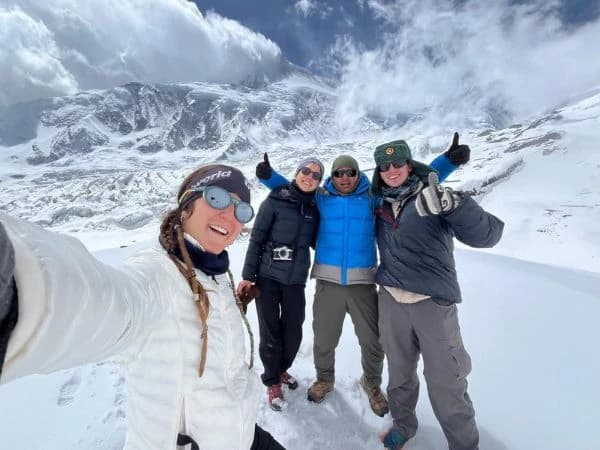
Mera Peak Climbing is renowned as the most beginner-friendly peak climbing destination in the climbing community. The journey to the summit of Nepal's highest trekking peak, which stands at 6,476 meters, offers breathtaking views of five of the world's tallest mountains, creating unforgettable moments. The Mera Peak climbing experience encompasses everything from lower elevation treks to challenging high-altitude, rugged trekking and climbing, enriched by the cultural heritage of the Rai and Sherpa people. Numerous itineraries and packages are available for the Mera Peak expedition, with many starting from Lukla via the upper route that traverses the challenging Zatrwa La Pass (4,610m), the lower route from Paiya, and the overland route from Khari Khola. Additionally, opting for a helicopter return from Khare is a luxurious way to avoid the strenuous trek back to Lukla. Select the best option and book the most exhilarating and challenging Mera Peak Climbing experience for a lifetime adventure in the Himalayas.
The Best Company for Mera Peak Climbing
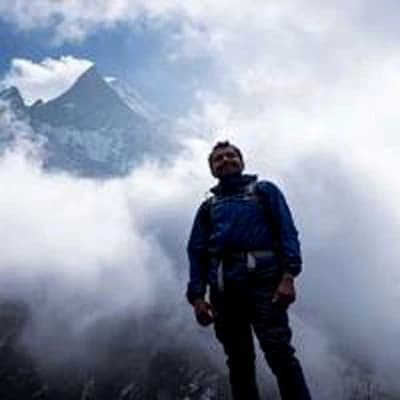
Mera Peak Climbing Overview
Mera Peak climbing is a comprehensive journey that combines nature, culture, trekking, and expedition. It is one of the world's most renowned peaks for climbing, thanks to its stunning location that allows for breathtaking views of the great Himalayan range, which includes Mt. Everest, Mt. Kanchenjunga, Mt. Makalu, Mt. Lhotse, Mt. Cho Oyu, and hundreds of other towering peaks that reach towards the sky from a close distance with unobstructed vistas. The Mera Peak climbing expedition lasts between 10 and 20 days. It presents a challenging yet rewarding experience in the untouched Hinku Valley, situated in the Mahalangur range of Makalu Barun National Park. This journey enhances the experience from the lower valley to the high-altitude terrain expedition. Typically, the journey begins and concludes in Lukla, the gateway to the Everest region. An overland trip to and from Khari Khola is also an option.
On the other hand, the trekking experience from the start to Khare is a raw and beautiful encounter with nature and culture. This is the most iconic segment of the journey, showcasing the purity and splendid views of the lush valleys and soaring peaks, transitioning from green landscapes to a white snow sanctuary. The lower section of the Mera Peak climb offers tranquility, an off-the-beaten-path trekking experience, and is primarily untouched by tourists. Beyond Khare, you will participate in an expedition that lasts about 2 to 3 days, which requires some training before attempting the push to the summit. The journey provides arid views of glaciers and snow-capped peaks, and along the way, you will pass Mera Base Camp, Mera La Pass, and Mera High Base Camp before reaching the stunning Mera Summit. Returning to Lukla via the upper Zatrwa La Pass (4,610m) also offers scenic and serene views at every step of the journey.
The Best Company for the Mera Peak Climbing
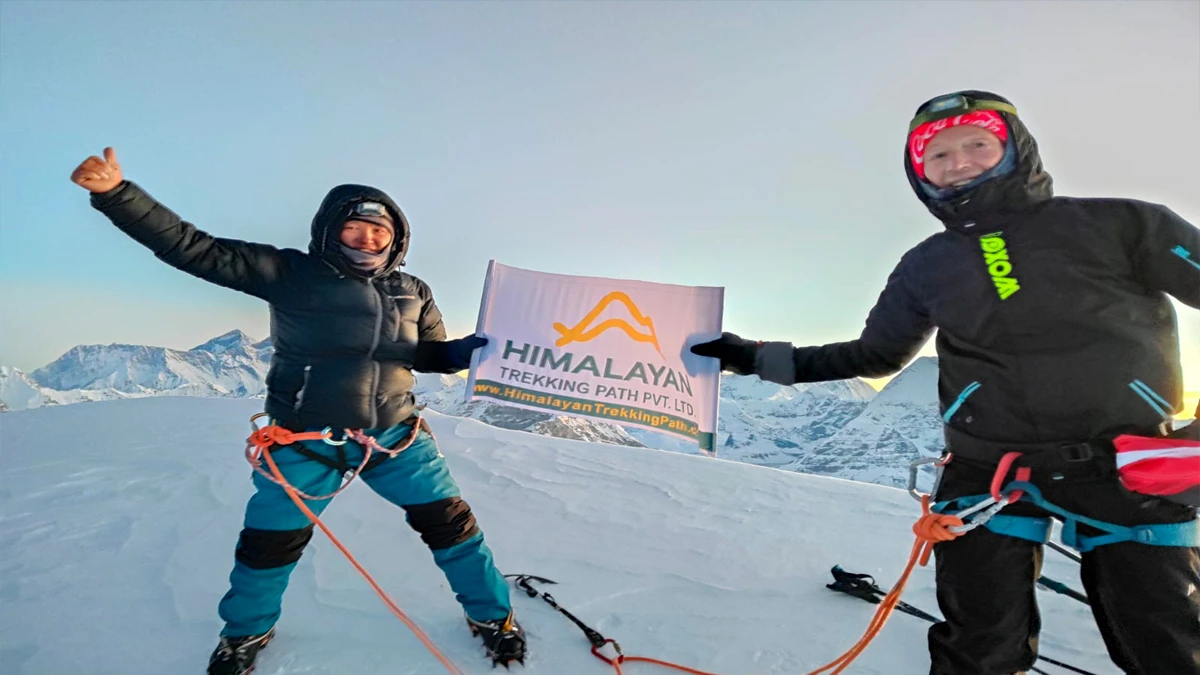
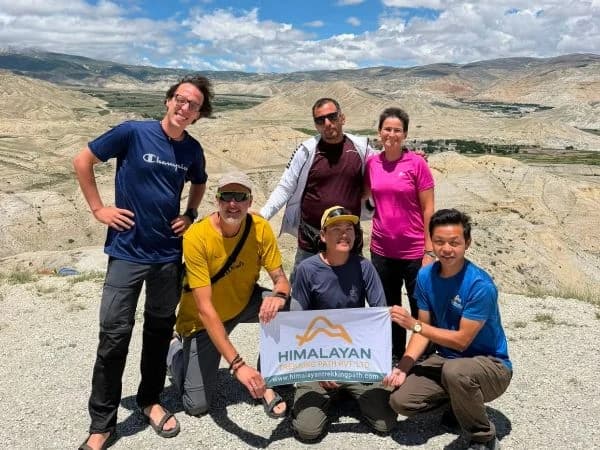
Mera Peak Climbing is a renowned climbing destination, often regarded as a training ground for more challenging expeditions such as Ama Dablam, Manaslu, Himlung, Lhotse, and even Everest. While you may already know that it is a popular peak for climbing, it is also essential to identify the best partner for your incredible journey to Mera Peak. If you are considering a local expert team for your Mera Peak climbing adventure, you can opt for Himalayan Trekking Path Pvt. Ltd. This company is recognized as the top local choice for Mera Peak Climbing, offering various options including services, guides, Sherpa expertise, packages, duration, costs, and gear included in the package, along with a very flexible itinerary. By choosing to embark on your trip to Mera Peak with Himalayan Trekking Path, you will experience an authentic journey with local guides who will care for you every step of the way. So, why should you select Himalayan Trekking Path Pvt. Ltd for your Mera Peak Climbing experience?
Best itinerary and Package:
Himalayan Trekking Path Pvt. Ltd offers a variety of Mera Peak climbing itineraries and packages that provide flexibility and numerous options to suit your preferences based on budget, pace, and interests. Himalayan Trekking Path Pvt. Ltd features seven distinct packages for Mera Peak climbing. These include: Short Mera Peak Climbing - 15 days, Mera Peak Climbing - 17 days, Mera Peak Service - 2 days, Mera Peak Climbing via Overland - 17 days, Mera Peak Return by Heli - 15 days, Mera Lobuche Peak, and Mera Island Peak. We are also flexible in customizing your Mera Peak climbing experience according to your specific needs and considerations. This is a unique opportunity to explore the pristine and challenging Mera Peak climbing experience, made possible by Himalayan Trekking Path Company.
Experienced Mera Peak–certified guides
Himalayan Trekking Path Pvt. Ltd is the leading company for Mera Peak climbing, thanks to our expert climbing and trekking guides, along with a dedicated support team. We have a highly professional team for Mera Peak climbing that will assist you in every challenging situation, boosting your confidence and motivation throughout the journey. We boast a 99% successful summit rate, which is rarely matched by other companies. Our team handles all the logistics, ensuring a hassle-free experience for our clients. Additionally, once the booking is confirmed, we recommend our clients engage in cardiovascular activities such as running and cycling to prepare for the trek.
Well-structured itineraries
Mera Peak climbing is a challenging journey that combines trekking and climbing. To ensure a successful trip, it is essential to select the right team and itinerary. In our itinerary, you will have adequate acclimatization time, and we maintain flexibility on the ground if you prefer a slower pace and wish to tailor your journey according to your interests. Choosing any of the itineraries along the Himalayan trekking path is designed with experience to minimize the risk of AMS (Acute Mountain Sickness). All the packages available through our company offer greater flexibility, sufficient acclimatization, and are conducive to a successful trip without serious issues.
High summit success rate
The success rate for climbing Mera Peak with our company is 99%. We treat our clients with care, motivating and supporting them in every situation. Our well-prepared itinerary includes appropriate gear, acclimatization, and a carefully designed package that is backed by thorough planning, weather assessments, and contingency days. Himalayan Trekking Path Pvt. Ltd. offers training for the peak, and if you encounter any issues or wish to extend your trip, we manage everything on the spot to make it possible. Join Himalayan Trekking Path Pvt. Ltd. for a successful journey. We never pressure our clients; at high elevations, we encourage a slow pace and proper hydration to ensure you are ready for Mera Peak.
Comprehensive logistics management
For every package related to Mera Peak climbing, we are motivating our team to provide optimal logistical support. Throughout the journey, we ensure hygiene and organic meals, comfortable lodgings, suitable teams, all necessary trekking gear, transportation, permits, flights, and everything required for Mera Peak climbing. We consistently strive to demonstrate that the Himalayan trekking route is the best, relevant, transparent, and supported by a professional local team for Mera Peak climbing.
Quality climbing equipment support
The primary advantage for trekkers participating in the Himalayan trekking path is the provision of all climbing gear as a complimentary service for Mera Peak Climbing. You will receive all the necessary equipment in Khare, where the expedition begins its ascent to the summits. The gear includes ropes, harnesses, crampons, ice axes, and fixed-line setups. By joining the Himalayan trekking path, you won't have to worry about the climbing gear; however, personal items must be managed by clients, such as jackets, pants, thermal wear, insulation materials, gloves, glasses, sleeping bags, and other essentials.
Small group and private departures
Our packages are ideal for both individuals and groups, whether small or large. If you are looking for a personal solo trip, you can join us without any delay in departure, receiving assistance from our team of local experts without hesitation. Both solo and group bookings are appreciated, and we treat you with the utmost professionalism, ensuring personalized attention and flexible pacing. We offer a variety of packages ranging from solo to group options, as well as private and group joiners, all at very genuine costs and with perfect planning.
Strong safety standards
Himalayan Trekking Path Pvt. Ltd offers comprehensive packages for Mera Peak climbing, with safety being our top priority. To manage unforeseen circumstances, we supply all necessary items, including first-aid kits, oxygen backups, and coordination for emergency evacuations. We strongly recommend that clients obtain travel insurance that covers medical expenses and emergency evacuations, as this is essential for a challenging journey.
Fair and transparent pricing
Himalayan Trekking Path Pvt. Ltd offers all packages at a fair and genuine price based on the services outlined in each package. There are no hidden fees associated with the packages. This means that the total cost is inclusive, and there will be no additional payments required for the package. If you wish to add other facilities or services, there may be an extra charge; however, there will be no hidden costs, and all inclusions and exclusions will be clearly stated.
Ethical porter and guide management
We ensure adequate insurance, fair wages, necessary equipment, and suitable accommodation. The Mera Peak climbing package includes a local guide and porter, enhancing the authenticity of your journey and directly benefiting the local community. Our company offers competitive salaries and covers insurance, equipment, accommodation, transportation, and meals.
Local expertise and community-based operation
We offer genuine Himalayan experiences while also supporting local communities. Himalayan Trekking Path Pvt. Ltd is a locally owned trekking company managed by local experts. Our primary goal is to provide authentic Himalayan journeys with genuine experiences. Our company creates opportunities for locals to support their livelihoods. When you travel with Himalayan Trekking Path Pvt. Ltd, you can expect an exceptional trip.
Mera Peak Climbing Package and Itinerary
Mera Peak Climbing Package: There are seven distinct packages available through Himalayan Path Pvt. Ltd., and we can create additional packages tailored to your needs, pace, and budget. You can explore the exclusive Mera Peak Climbing Package and its itinerary that may suit your preferences. Furthermore, if you wish to customize your trip, please contact Himalayan Path Pvt. Ltd., and we will address your requirements.
Mera Peak Climbing Base Service: 2 Days
Our Mera Peak climbing base camp service consists of a 2-day journey that begins and concludes in Khare. This package is perfect for those who wish to undertake individual trekking before joining us for the Mera Peak Expedition. Himalayan Trekking Path Pvt. Ltd. offers an excellent team, climbing gear, meals, permits, and all logistical arrangements for a successful Mera Peak summit from Khare. The cost for this 2-day trip ranges from USD 500 to USD 700 per person, depending on the season and group size. For more detailed information, please contact us; we are here to help you achieve your Mera Peak aspirations as you desire.
Short Mera Peak Climbing:15 Days Package
The Short Mera Peak Climbing is a 15-day journey to the summit of Mera Peak (6476m), one of the most captivating summits in the world. The 15-day Mera Peak climbing expedition begins in Kathmandu with a scenic and exhilarating flight to Lukla, the gateway to the Everest region. The trip follows the challenging yet picturesque Zatrwa La Pass at 4,610m, with a steady ascent from Lukla and a descent to Kothe, a beautiful village in the Hinku Valley. The views from Zatrwa La Pass at 4,600m are among the most panoramic and thrilling. The trail then leads to Khare via Thaknak (4350m). After meeting the expedition team, participants prepare for the Mera Peak ascent with a brief and practical training session on gear usage. They then join Sherpa experts to reach the summit and enjoy breathtaking views of the highest mountains on the planet. The return journey is made back to Khare via Mera High Camp, following the same route back to Lukla. This is the shortest itinerary for Mera Peak climbing and is especially recommended for seasoned trekkers. For more information, please visit our 15-day Mera Peak climbing package and itinerary. If you have further questions, do not hesitate to contact the local trekking planner at Himalayan Trekking Path Pvt. Ltd.
Mera Peak Climbing -17 Days Package
One of the most popular packages for Mera Peak is the 17-day itinerary that follows the lower route. This package is ideal for acclimatization for climbing Mera Peak. The journey begins with a thrilling and scenic flight from Kathmandu to Lukla, after which the trek to Paiya Village starts via Surke and the stunning Sherpa Village. The trek then continues to Pangkom, showcasing beautiful landscapes that reflect the pure Sherpa culture and rich natural diversity. From Pangkom, the route leads to Ramailo Danda, traversing multiple ups and downs along a rugged, off-the-beaten-path trail through dense forests. After Ramailo Danda, the trek proceeds to Kothe via Chhatra Khola. This section of the journey is captivating, featuring forests, wildlife, and views of lush valleys and snow-capped peaks; however, the trail can be challenging due to its narrow and slippery nature, with significant elevation changes. Upon reaching Kothe, the trail enters the national park, becoming drier and rockier, showcasing the Himalayan terrain and vegetation, such as grass. The trek continues to Thangnak and Khare before proceeding to the summit. The Mera expedition requires two days of travel. You will meet local Sherpa guides and head to Mera High Camp (5800m), where you will spend one night before the summit push. The following day, you will depart around 12:00 AM and aim to reach the summit between 6 and 7 AM, capturing stunning photos with the sunrise views. Afterward, you will return to Khare, Kothe, Thuli Kharka, and Zatrwa La Pass (4,610m) before heading back to Lukla and Kathmandu. If you are looking to climb for the first time, consider booking the 17-day Mera Peak climbing package.
Mera Peak Climbing via Overland: 17 Days Package
The Mera Peak Climbing 17-day package includes a scenic drive to Khari Khola, which is the starting point for the Mera Peak climb. If you wish to fully immerse yourself in the Mera Peak climbing experience, this 17-day package and itinerary are essential. The journey features a picturesque drive to Salleri and then to Khari Khola, making it advisable to allocate 2 days for this trip. You will then reach the lower section of the Mera Peak climbing route in Pangkom and continue along the classic path to Khare through trekking. Beyond Khare, you will embark on an expedition to the Mera Summit and return to Khare. From Khare, trek back to Kothe and take the upper route to Lukla via Zatrwa La Pass (4,610m). Finally, fly from Lukla back to Kathmandu on a thrilling and scenic flight. This package is ideal for those seeking a comprehensive trip and is excellent for acclimatization.
Luxury Mera Peak Package: 15-Day Package
The Luxury Mera Peak climbing package is a 15-day journey that follows the lower route after a scenic flight to Lukla. From there, you will trek to Khare via Paiya, Pankom, Ramailo Danda, Chhatra Kola, Kote, and Thanknak. Next, you will embark on the Mera Peak climb for a once-in-a-lifetime experience. Afterward, return to Khare and take a helicopter back to Lukla, followed by a flight to Kathmandu. This package is one of the most luxurious options for Mera Peak climbing, offering aerial views of the mountains and excellent acclimatization. It is the best and shortest itinerary for both beginner and seasoned climbers. Reasonable fitness is required, and participants should be physically and mentally prepared for the adventure.
Mera Island Peak Climbing:22 Days Package
The Mera Island Peak climbing experience combines the Mera Peak and Island Peak climbing packages into a solo journey. Discover the Mera Peak climbing route, summit Mera Peak, and then proceed to the Amphu Lapcha base camp. After navigating the challenging Amphu Labsta Pass, you will reach Imja Valley at Chukung Village. From there, continue to Island Peak climbing before returning to Chukung. Follow the trail along the classic Everest Base Camp route back to Lukla, passing through Dingboche, Pangboche, Tangboche, Namche, Manjo, and Phaking. Finally, take a scenic flight from Lukla to Kathmandu. This adventure is a perfect blend of excitement and reward, ideal for seasoned trekkers.
Mera Lobuche Peak Climbing: 23 Days Packages
The Mera Lobuche Peak climbing expedition combines the Mera Peak and Lobuche Peak climbing experiences into a solo journey. Discover the Mera Peak climbing route, reach the summit of Mera Peak, and then proceed to the Amphu Lapcha base camp. Navigate the challenging Amphu Lapcha Pass to arrive at Imja Valley in Chukung Village. From Chukung Valley, trek to Dingboche, Thukla, and Lobuche, then continue to Lobuche Peak climbing before returning to Lobuche. Follow the trail along the Classic Everest Base Camp Route back to Lukla, passing through Pheriche, Pangboche, Tangboche, Namche, Manjo, and Phaking. From Lukla, enjoy a scenic flight back to Kathmandu. This adventure is a perfect blend of excitement and reward, making it ideal for seasoned trekkers.
Mera Peak Climbing Gears
Mera Peak climbing presents a challenging trekking and climbing experience that necessitates both physical and mental preparation, as well as the appropriate trekking and climbing gear. Climbing gear is supplied by Himalayan Trekking Path Pvt. Ltd., while personal gear must be arranged by the clients themselves. The trekking gear that every trekker must manage includes the following:
Trekking Clothing
- Upper Body
- Moisture-wicking base layer tops (2–3)
- Fleece or softshell jacket
- Insulated down jacket (for cold mornings and evenings)
- Climbing Jacket and Pants
- Waterproof and windproof shell jacket
Lower Body
- Trekking pants (2 pairs)
- Thermal base layer pants
- Waterproof shell pants
Inner & Accessories
- Quick-dry underwear
- Warm trekking socks (3–5 pairs)
- Lightweight gloves
- Warm insulated gloves
- Wool or fleece hat
- Sun hat/cap
- Buff or neck gaiter
Footwear
- Sturdy trekking boots (waterproof, ankle support)
- Comfortable camp shoes or sandals
- Gaiters (for snow and dust)
Trekking Gear
- Trekking backpack (40–60 liters)
- Daypack (20–30 liters)
- Sleeping bag (rated −10°C to −20°C)
- Sleeping bag liner
- Trekking poles
- Rain cover for backpack
- Dry bags or waterproof stuff sacks
Personal & Toiletry Items
- Toothbrush and toothpaste
- Biodegradable soap/shampoo
- Travel towel
- Toilet paper and wet wipes
- Sunscreen (SPF 50+)
- Lip balm with SPF
- Hand sanitizer
- Personal medications
- Small personal first-aid kit (blister care, pain relief)
Hydration & Snacks
- Reusable water bottles or hydration bladders
- Water purification tablets or a filter
- Energy bars, chocolates, nuts, trail snacks
- Thermos flask (optional)
Electronics & Documents
- Headlamp with extra batteries
- Mobile phone and charging cable
- Power bank
- Camera (optional)
- Passport and copies
- Travel insurance documents
- Cash (small denominations)
Miscellaneous
- Sunglasses (UV protection)
- Notebook and pen
- Zip-lock bags
- Duct tape or a small repair kit
- Earplugs
- Lightweight towel
Climbing Gears (Includes in the Package)
- Climbing Boots
- Crampons
- Rope
- Harness
- Ice- Axe
- Helmet
Mera Peak Climbing Permits and Cost
Mera Peak climbing necessitates three distinct types of permits. These are essential and also require a garbage deposit of USD 500 per Trip. The required permits include the Makalu Barun Conservation Area permit, Trekkers Information Management System (TIMS) cards, and climbing permits. The conservation permits are intended to protect nature and maintain the trails, the TIMS card is for safety and tracking purposes, and the peak permit grants access to the summit. To acquire these permits, a copy of your passport and a passport-sized photo are needed. The costs for Mera Peak climbing permits are as follows:
- TIMS (Trekkers Information Management System) Card - Rs2000 P/P
- Makalu Barun Conservation Area permits: Rs3000 P/P
- Climbing permits for Spring (March to May): USD300 per person
- Climbing permits for other seasons (June to February): USD175 per person
Mera Peak Climbing temperature
The temperature experienced while climbing Mera Peak varies greatly based on altitude, season, and the time of day. During the primary climbing seasons—spring (March to May) and autumn (September to November)—daytime temperatures along the trekking route typically range from 5°C to 15°C at lower altitudes. As you climb above 4,500 meters, temperatures decrease significantly, often remaining between 0°C and −5°C during the day. At Mera High Camp (approximately 5,800 m), daytime temperatures generally range from −5°C to −10°C, while nighttime temperatures can drop to between −15°C and −20°C. On the day of the summit attempt (6,476 m), early morning temperatures may plummet to between −20°C and −25°C, with strong winds exacerbating the chill due to wind chill factors. In the winter months (December to February), temperatures become considerably more severe, frequently falling below −30°C at the summit, which makes conditions even more challenging. Adequate insulation, layering, and cold-weather gear are crucial for ensuring safety and comfort throughout the climb.
How Difficult is the Mera peak Climbing?
Climbing Mera Peak is regarded as moderately challenging and is frequently referred to as one of the premier introductory trekking peaks in Nepal. While it is not technically intricate and does not necessitate advanced mountaineering expertise, it does present physical challenges due to its elevation of 6,476 meters. The primary obstacle lies in endurance rather than technical skill. The approach trek is lengthy and isolated, requiring several days of hiking, gradual ascents, and limited amenities. Climbers must adapt to thin air, cold conditions, and the potential for altitude sickness, making effective acclimatization crucial. On the day of the summit, climbers traverse glaciers and snow slopes with the aid of crampons, ropes, and an ice axe, typically under the supervision of seasoned Sherpa guides. A foundational understanding of mountaineering, strong cardiovascular fitness, and mental fortitude are essential. With sufficient preparation, acclimatization, and professional assistance, Mera Peak can be conquered by physically fit trekkers who are inexperienced in high-altitude climbing but are prepared for a significant challenge.
Is the Mera peak is suitable for beginners?
Indeed, climbing Mera Peak is appropriate for novices, as long as they are in good physical condition and adequately prepared. It is often considered one of the premier introductory trekking peaks in Nepal due to its relatively low technical difficulty when compared to other peaks that reach 6,000 meters. The route primarily traverses snow and glacier landscapes with gentle inclines, and climbers utilize basic gear such as crampons, a harness, and an ice axe, all under the guidance of skilled instructors. The main obstacle is altitude rather than technical expertise. Achieving the height of 6,476 meters necessitates strong stamina, patience, and careful acclimatization to mitigate the risk of Acute Mountain Sickness (AMS). Most itineraries incorporate acclimatization days and pre-climb training at high camp, where guides instruct on vital climbing skills. With a suitable level of fitness, previous trekking experience, and support from a certified operator, beginners can successfully and safely reach the summit of Mera Peak. Adequate preparation, pacing, and mental resolve are essential components for a fulfilling first climbing adventure in the Himalayas.
How to prepare for the Mera Peak climbing?
Preparing for the Mera Peak climb necessitates a well-rounded emphasis on fitness, acclimatization, skills, and logistics. Start your training at least 8 to 12 weeks prior, focusing on cardiovascular endurance through activities such as hiking, running, cycling, and stair climbing, while also incorporating strength training for your legs and core. Previous experience in high-altitude trekking is extremely advantageous. Acquire fundamental mountaineering skills, which include walking with crampons, utilizing an ice axe, and mastering rope techniques; most climbing operators offer pre-climb training at high camp. Develop a carefully organized itinerary that includes a gradual ascent and acclimatization days to reduce the likelihood of Acute Mountain Sickness (AMS). Make sure you have the appropriate clothing and gear, particularly insulated boots, down layers, and glacier travel equipment that can withstand sub-zero temperatures. Secure comprehensive travel and rescue insurance that covers high-altitude climbing. Mentally prepare yourself for long days of trekking, frigid conditions, and early starts for summits. With meticulous preparation, expert guidance, and disciplined pacing, Mera Peak can transform into a feasible and fulfilling goal for dedicated climbers.
What is the chance to suffer by AMS?
The likelihood of experiencing Acute Mountain Sickness (AMS) on Mera Peak is considered moderate to high due to the ascent reaching 6,476 meters, where oxygen levels drop significantly. Although the trail ascends gradually, AMS can impact anyone, irrespective of their age, fitness level, or prior trekking experience. Most climbers start to notice mild symptoms like headache, fatigue, loss of appetite, or disrupted sleep when they reach altitudes of 3,500–4,000 meters, particularly near Khare and Mera High Camp. The risk of AMS escalates if the ascent is hurried, hydration is inadequate, or acclimatization days are overlooked. Nevertheless, typical Mera Peak itineraries are structured to include proper acclimatization, which significantly lowers the chances of severe AMS. Adhering to the guideline of "climb high, sleep low," maintaining a slow pace, ensuring adequate fluid intake, avoiding alcohol, and heeding your guide's advice are essential. When the climb is undertaken with a professional guide and a carefully crafted schedule, the risk of serious AMS becomes manageable and can be effectively reduced.
What are the symptoms of the AMS?
Acute Mountain Sickness (AMS) arises when the body is unable to adjust effectively to lower oxygen levels found at high altitudes, typically above 2,500 meters. The most prevalent symptoms include a constant headache, which is frequently the first indication, along with fatigue, weakness, dizziness, and shortness of breath during light physical activity. Many individuals also suffer from a decreased appetite, nausea, or vomiting, which can hinder their ability to eat or drink sufficiently. Sleep issues are common, such as trouble falling asleep or waking up frequently, and some people report feeling unusually irritable or sluggish. As AMS advances, symptoms can escalate to a severe headache that does not respond to medication, confusion, loss of coordination, and extreme tiredness. These symptoms may signal the beginning of more serious conditions like High Altitude Cerebral Edema (HACE) or High Altitude Pulmonary Edema (HAPE). Prompt identification of symptoms, adequate rest, hydration, and a timely descent are essential to avert serious altitude-related complications.
How to treat if we suffer from AMS?
If an individual experiences Acute Mountain Sickness (AMS), it is crucial to take immediate action. The primary and most vital treatment is to halt any further ascent and rest at the current altitude. Mild symptoms can often improve with sufficient rest, hydration, and light meals. It is advisable to avoid alcohol and sleeping pills, as these can exacerbate symptoms. Over-the-counter pain relievers may assist in alleviating headaches. Should symptoms continue or deteriorate, the safest course of action is to descend to a lower altitude, even by 300–500 meters, which frequently leads to quick improvement. If available, supplemental oxygen can offer relief. Medications like acetazolamide (Diamox) may be utilized under medical supervision to aid acclimatization, but should not be a substitute for descending when symptoms are severe. In cases of severe symptoms such as confusion, loss of balance, breathlessness while at rest, or chest tightness, immediate descent and emergency evacuation are essential, as these may signal HACE or HAPE. Timely recognition and a disciplined response are vital for survival at high altitudes.
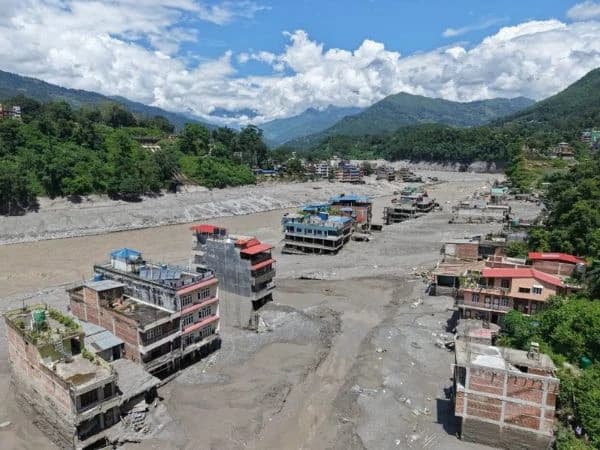
Important Advisory for Trekkers After Recent Floods in Nepal
Upper Mustang Tour Packages